In Kentucky, a car you own needs insurance from the first day you drive it. State law (KRS 304.39-080) requires every owner of a vehicle registered or operated in Kentucky to continuously keep insurance on it, including personal injury protection and liability, and the county clerk checks for it when you register. If you already have an auto policy, it may give you a short window to add the new car, but that window varies by carrier and may not include collision. The cleanest way to do it is to call your agent before you sign, with the VIN in hand.
Here’s how it usually plays out at a dealership in Paducah or in a private sale down the road.
Does my current policy cover a car I just bought?
Many personal auto policies include a “newly acquired vehicle” provision. Typically, it extends some coverage to a car you just bought for a short period, as long as you tell the company within that window. A few things vary more than people expect:
- How long the window is. It might be a matter of days, and it can differ for a replacement car versus an additional one.
- What coverage carries over. Liability often carries over from your existing cars. Collision and comprehensive may only carry over if you already have them on another car, and sometimes only with a deductible that applies during the window.
- Whether it applies at all. If you don’t have a current policy, there’s nothing to extend.
Your policy is the thing that answers this, and the newly acquired vehicle section is short enough to read in a minute.
What the lender or lease requires
If you’re financing or leasing, the lender usually requires comprehensive and collision, with the lender listed as loss payee, before it lets the car leave the lot. Dealers often want proof of insurance before handing over the keys. A financed car with only liability on it is one of the more common problems we see. The paperwork says one thing and the policy says another.
If the car is financed, gap coverage is worth asking about too. It typically covers the difference between what the car is worth and what’s still owed on the loan if it’s totaled early.
Private sales and the drive home
Buying from a private seller is where people get caught. The seller’s insurance typically ends when the sale does, and their plates and registration don’t transfer to you. In Kentucky, you’ll title and register the car through your county clerk, and the clerk will check that the car is insured. In the meantime, driving it home on KY-121 or the Purchase Parkway without coverage puts you on the wrong side of the security requirement.
The honest part: some people buy a cheap second car and plan to “add it later.” That works right up until the first fender-bender. Driving without the required insurance can bring penalties under state law, and a gap in coverage can follow you to the next quote. I covered that in what happens if you let Kentucky auto insurance lapse.
What to have ready when you call
- The VIN, year, make and model
- Whether it’s financed or leased, and the lender’s name and address
- Whether it replaces a car or is an extra one
- Who will drive it most, especially if there’s a teen in the house
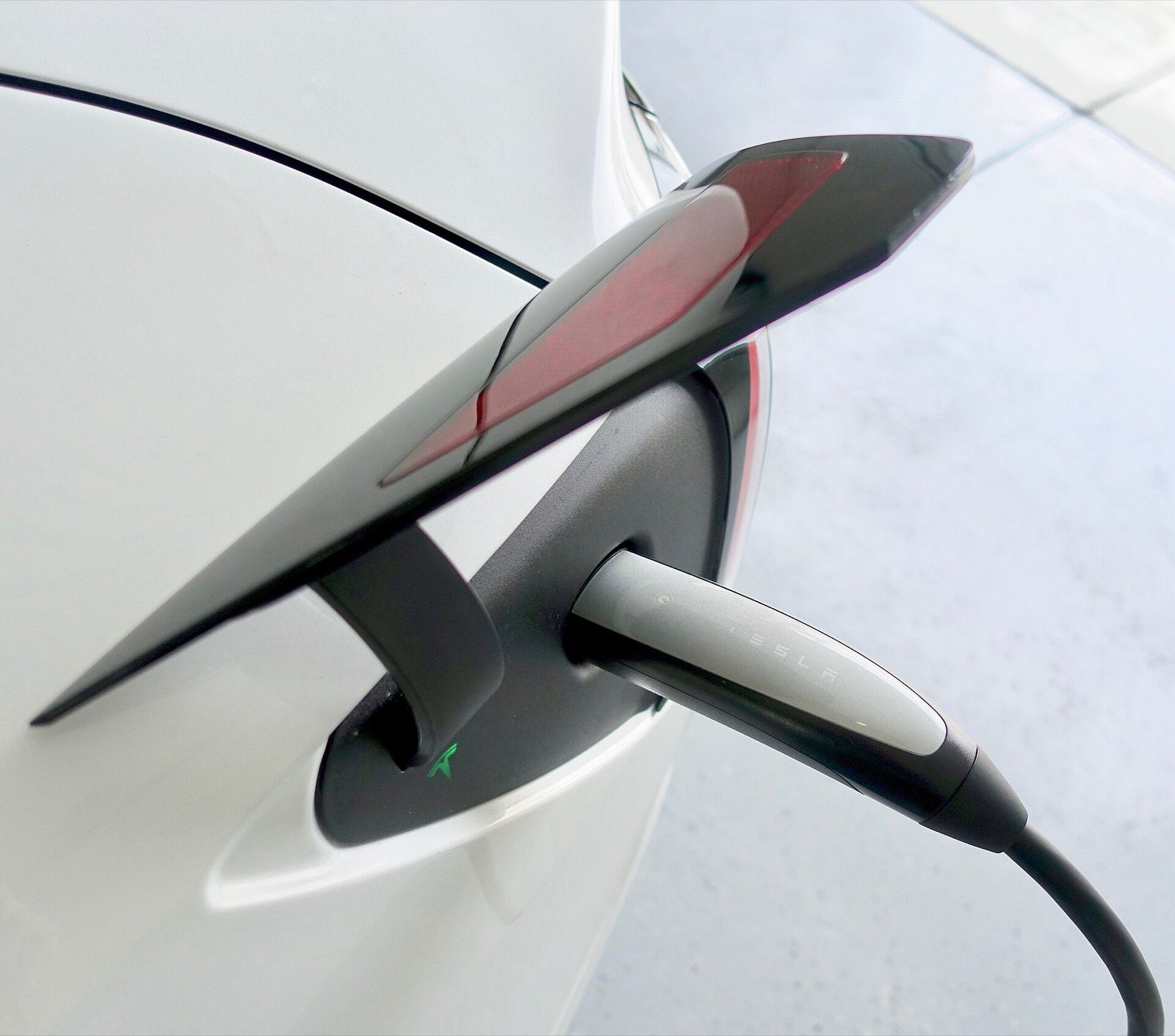
If it’s an EV, the questions change a little. I wrote about that in insuring a Tesla in Kentucky.
If you’re about to buy a car in Murray or anywhere in Western Kentucky, call (270) 925-1524 before you sign, see our auto insurance page, or start a quote. Send me the VIN and your current dec page, and I’ll compare carriers on the new car side by side so it’s covered the day you drive it home.
This article is general information about how coverage typically works, not advice about your specific situation. Every policy reads a little differently, and yours is the only thing that says what you have. If you’d like a second set of eyes on it, send us your current dec page and we’ll walk through it with you.