Mostly the car. In Kentucky, the insurance on a vehicle is generally the first place a claim goes, even when someone other than the owner is behind the wheel with permission. The state spells this out for injury benefits: the Kentucky Department of Insurance says basic personal injury protection is paid by the insurer of the vehicle the injured person was riding in, or the vehicle that struck a pedestrian, regardless of who caused the accident. The driver’s own policy, if they have one, usually comes into play second.
That’s the short answer. The longer one matters most when you lend your truck to a friend, let a roommate borrow your car, or have a college student driving a car that’s titled to you.
Why Kentucky ties so much to the vehicle
Kentucky’s Motor Vehicle Reparations Act, passed in 1975 and usually called the no-fault law, requires basic personal injury protection (PIP) on every vehicle except motorcycles. PIP is the part of an auto policy that pays medical bills, lost wages and similar out-of-pocket costs after a wreck no matter who was at fault, and the basic benefit is up to $10,000 per person, per accident.
Owned vehicles also have to carry liability insurance at the state minimum of 25/50/25: $25,000 per person and $50,000 per accident for injuries to others, plus $25,000 for property damage, or a $60,000 single limit. The Department’s summary of those requirements describes them as applying to “all users having a reasonable belief they are entitled to do so.” That phrase is the legal backbone of the saying that insurance follows the car.
If the vehicle someone was riding in has no insurance, the order shifts. The injured person can claim basic PIP from their own policy or a household member’s policy, and if there’s none, from the Kentucky Assigned Claims Plan. An owner who doesn’t insure their own vehicle isn’t entitled to basic PIP from any source.
So when does the driver’s policy matter?
Usually when the car’s coverage runs out. If a serious accident in a borrowed car uses up that car’s liability limits, the driver’s own auto policy often acts as excess coverage on top. Policies vary on how they define a car you don’t own and when they step in, so the wording on both policies decides it.
That layering is one reason the state minimum gets talked about so much. Our post on whether Kentucky’s minimum coverage is enough walks through how far 25/50/25 actually stretches.
Lending your car: what the state says
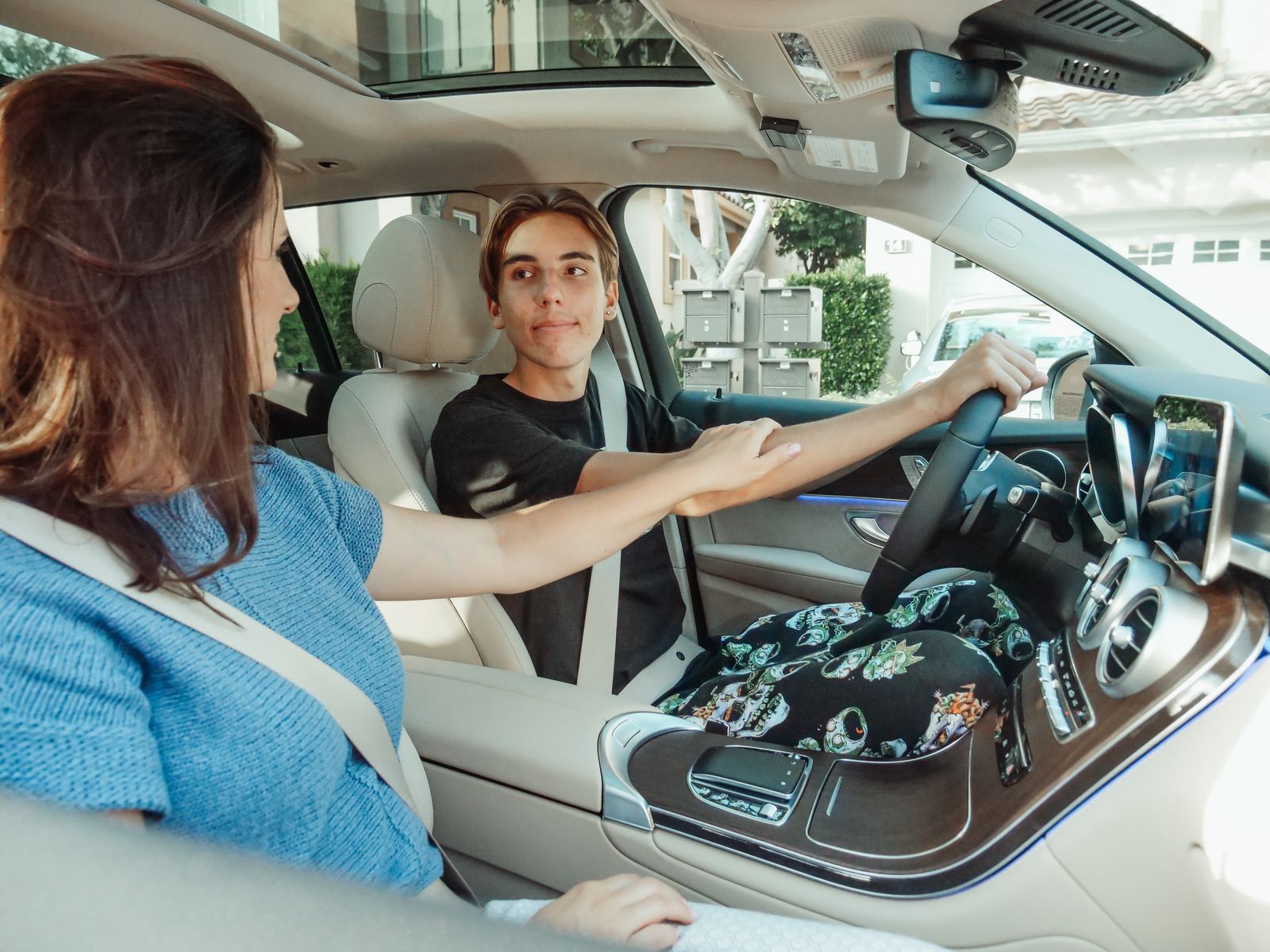
The Department of Insurance puts it plainly in its consumer guide. If you loan your vehicle, the person borrowing it should have auto insurance, because in Kentucky an owner who permits someone to drive without insurance is subject to the same penalties as the uninsured driver. The same guide says that a roommate or anyone else who regularly drives your car is someone to talk to your agent about listing on the policy.
That word “regularly” is the part people miss. Occasional, permitted use is what most policies are built around. Someone who drives your car every week, lives in your house, or has their own set of keys is a different situation, and many policies expect household members and regular drivers to be listed. A teenager with a new license is the classic example, and our teen driver guide covers how that’s usually handled.
The wrinkle on the other side of the accident
Following the car works until the other car has nothing to follow. The Insurance Research Council estimated that 14.1% of Kentucky motorists were uninsured in 2023, and 21.3% in Tennessee, which matters to anyone who regularly drives between Murray and Paris. That’s where uninsured motorist coverage comes in. In Kentucky it’s included on a policy unless it’s rejected in writing, and it’s tied to your own policy rather than to the driver who hit you. Our post on what uninsured drivers cost Kentucky households goes further into it.
How all of this lines up for one car, one driver and one household depends on the policies involved. Your own policy is the thing that answers it.
Before you hand someone the keys
A free, five-minute step: pull up your declarations page and look at who’s listed as a driver and what your liability limits are. If someone who drives your car every week isn’t on it, that’s a conversation to have before a claim rather than after one.
You can see how we approach auto insurance in Western Kentucky. If you’re in Murray, Hazel or anywhere in Calloway County, send us your current dec page or call (270) 925-1524, and we’ll go over the drivers and limits on it with you.
This article is general information about how coverage typically works, not advice about your specific situation. Every policy reads a little differently, and yours is the only thing that says what you have. If you’d like a second set of eyes on it, send us your current dec page and we’ll walk through it with you.