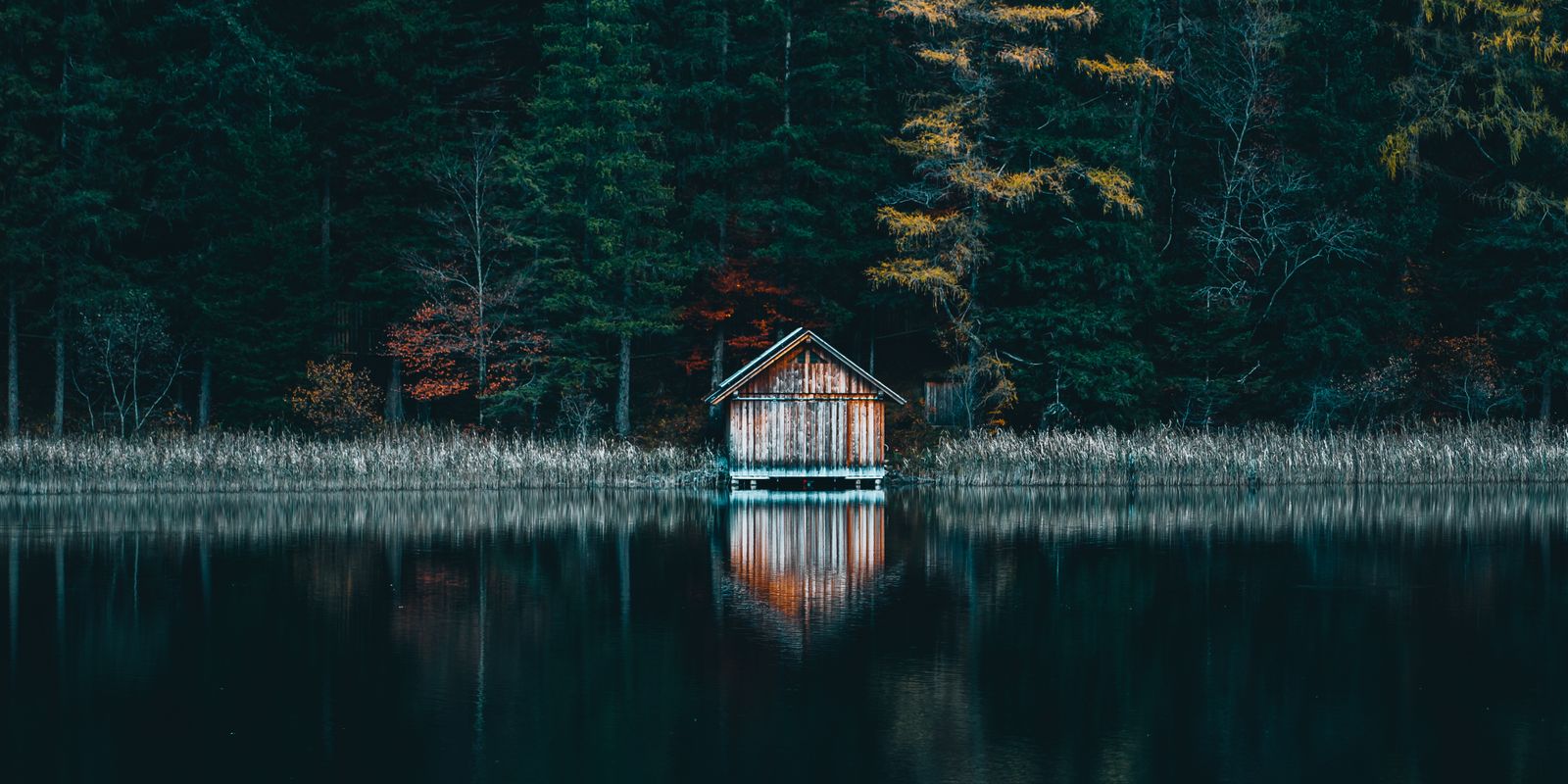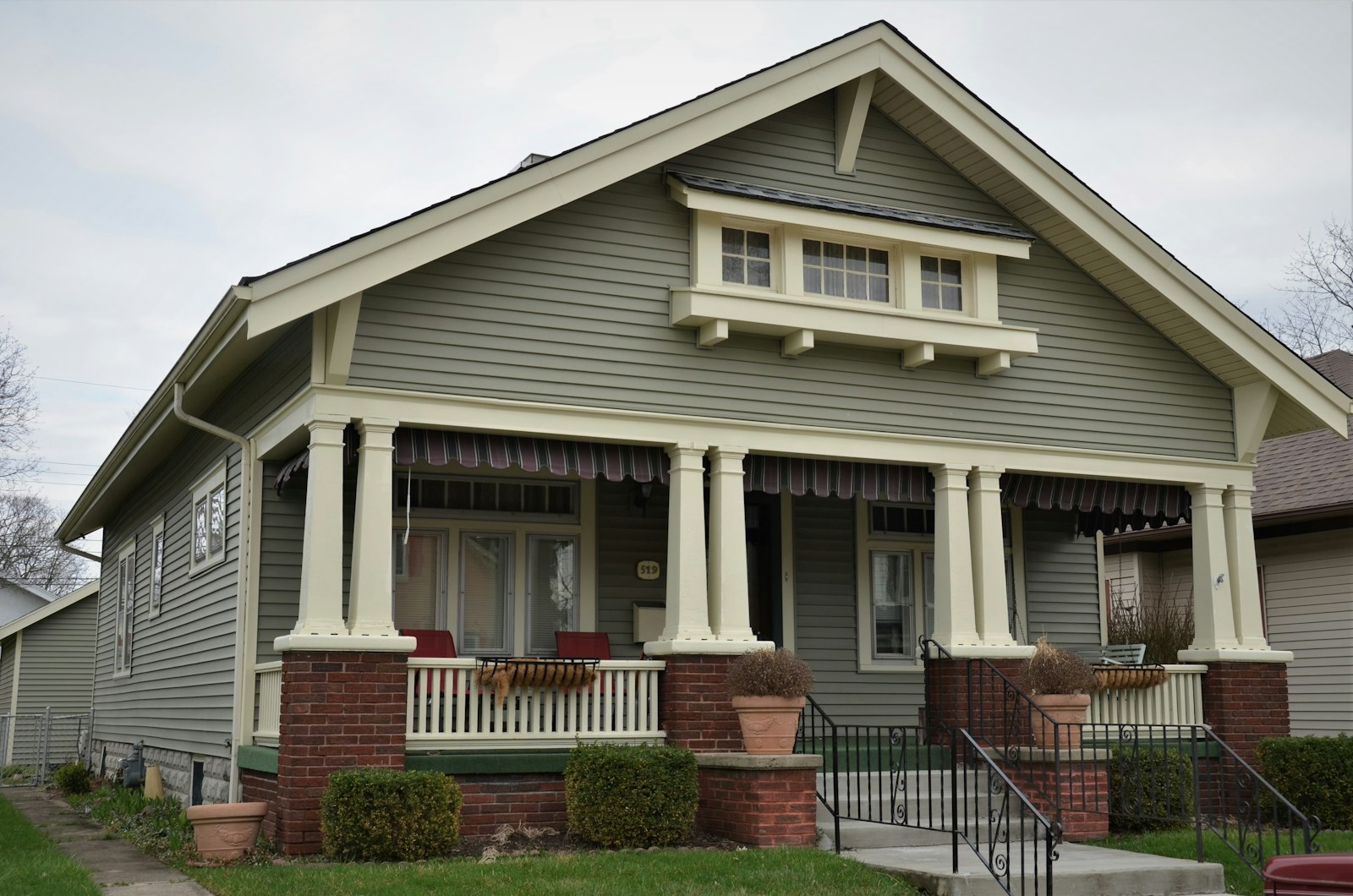
Usually yes, but under a different line on the declarations page than the house itself. Most homeowners policies of this type handle a detached barn, shed, workshop or detached garage as an “other structure,” with its own limit that is often a percentage of the dwelling coverage. The short answer people want is “is my shed covered,” and the useful answer is “look at the other-structures limit and how that building is used.”
Around Murray, Benton, Mayfield and the acreage parcels between them, that question comes up a lot. People add a pole barn for the tractor, a metal shed for the mower, or a detached garage for a project car, and assume the house policy simply stretches to cover it.
What “other structures” usually means
On a typical homeowners form, Coverage A is the dwelling — the house and structures attached to it. Coverage B is other structures: buildings on the same property that are separated by clear space, or connected only by a fence, utility line or similar. A standard HO-3 sample form published by the Insurance Information Institute caps other-structures coverage at 10% of the dwelling limit. Many policies track that pattern, and some carriers allow a higher limit by endorsement when the buildings are worth more than that.
As an example only: if the dwelling limit is $250,000 and other structures are written at 10%, the combined limit for detached buildings on that policy is about $25,000. That number can be plenty for a small shed and not nearly enough for a finished workshop or a large barn. Policies vary, and some carriers write other structures differently, so the declarations page is the place to read the actual figure.
Where policies vary more than people expect
Use of the building is the wrinkle. A shed that holds lawn tools is the simple case. A workshop where you occasionally meet clients, a building with a rented apartment above the garage, or a structure used primarily for a business is a different underwriting conversation. Our post on where homeowners coverage usually stops for a home business in Murray covers that line in more detail.
Construction and location matter too. A metal pole barn, a wood-framed shed and a fully enclosed detached garage are not priced the same way, and distance from the house can affect how an insurer looks at fire exposure. Lake parcels around Kentucky Lake and Lake Barkley add their own questions about flood and outbuildings near the water, which our Kentucky Lake home insurance guide touches on.
Flood and earthquake damage to an outbuilding are typically separate purchases, just as they are for the house. A standard homeowners form is not built to answer those perils.
What to look for on your own declarations page
Pull the declarations page and find three things: the dwelling limit, the other-structures limit (sometimes labeled Coverage B), and any endorsements that name a specific building or raise that sublimit. If the barn or workshop is worth more than the other-structures figure, that gap is the conversation to have before a claim rather than after one.
Your policy wording is the only thing that answers what a specific building has. Forms differ on whether a fence, a retaining wall or a temporary structure counts the same way as a permanent shed.
When you’re ready to walk through it
If you have a barn, shed or detached garage in Calloway, Marshall, Graves or McCracken County, send us a photo of the building with your current dec page and we’ll look at how the other-structures limit lines up. You can start from our home insurance page or call (270) 925-1524.
This article is general information about how coverage typically works, not advice about your specific situation. Every policy reads a little differently, and yours is the only thing that says what you have. If you’d like a second set of eyes on it, send us your current dec page and we’ll walk through it with you.