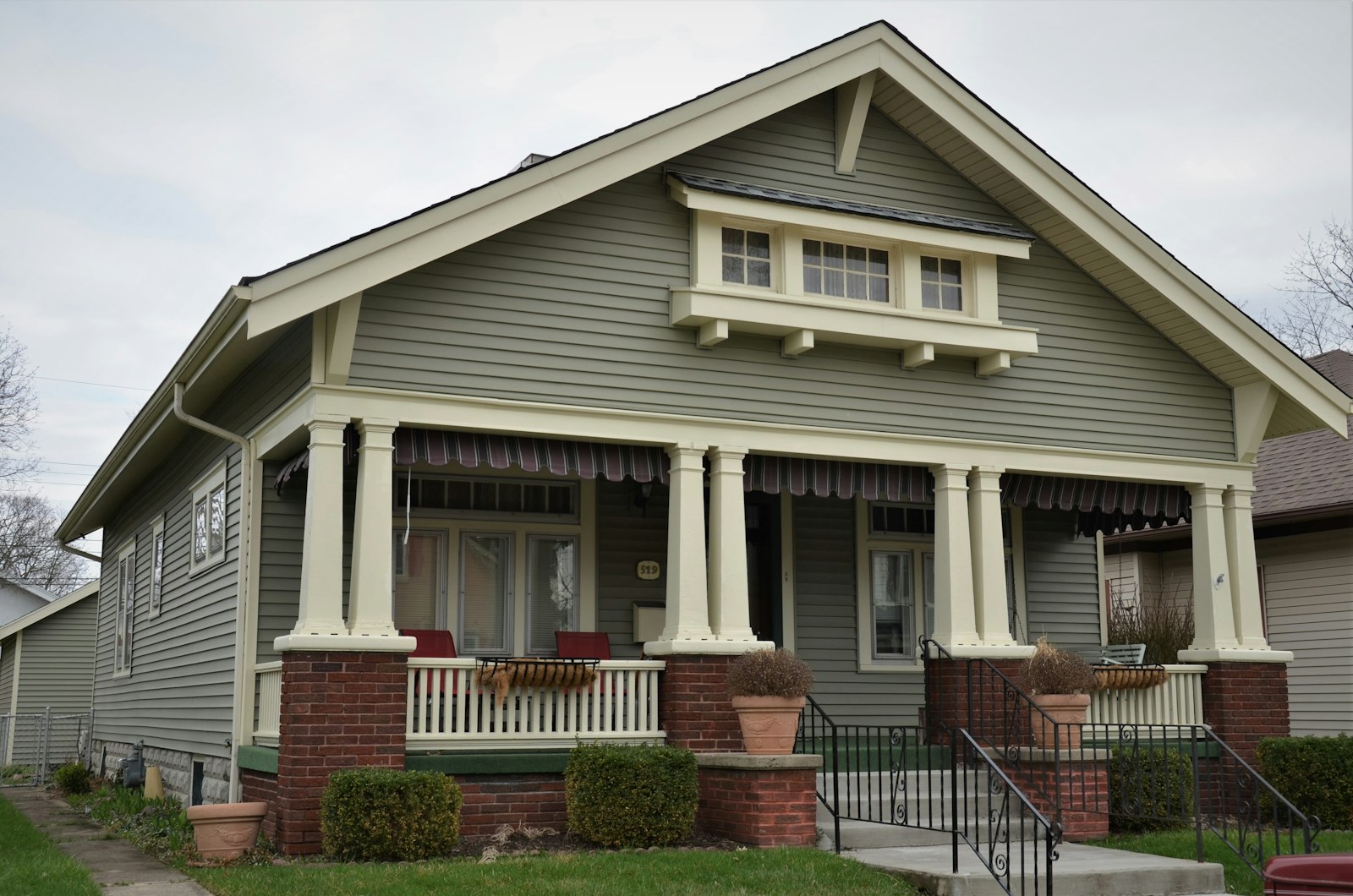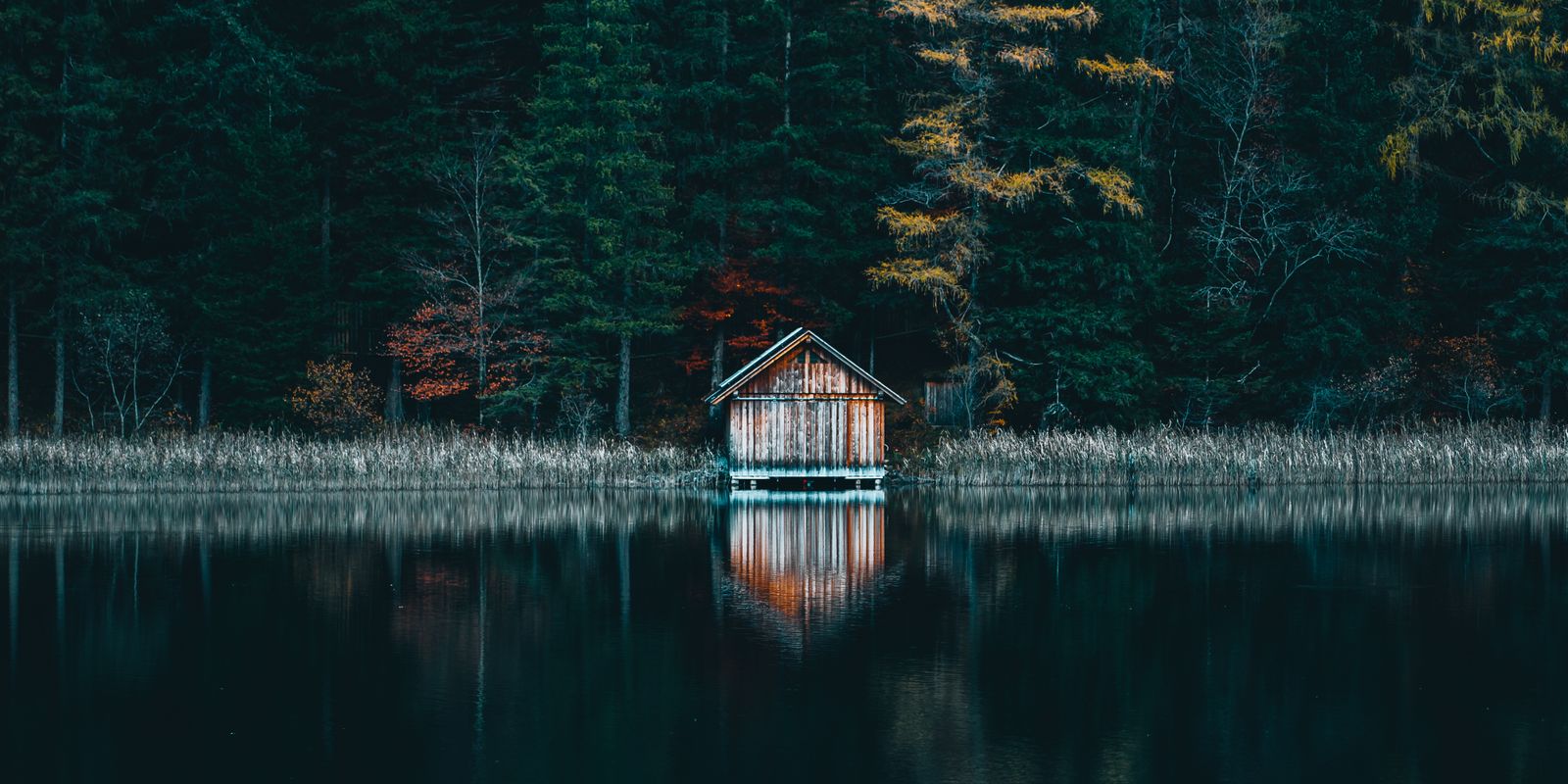
There is nothing quite like pulling into Aurora on a Friday evening, boat in tow, with a whole weekend on Kentucky Lake ahead of you. From the cabins tucked along the Marshall County shoreline to the family places that back up to Land Between the Lakes, lake property is woven into life in this corner of Kentucky.
But insuring a lake house is not the same as insuring the home you live in every day. The property sits empty for stretches. It has a dock, maybe a boathouse, maybe a pole barn full of gear. Some owners rent it out by the weekend. And it sits in a part of the country where severe weather is not hypothetical. Each of those facts changes how a policy needs to be built.
The lesson of December 2021
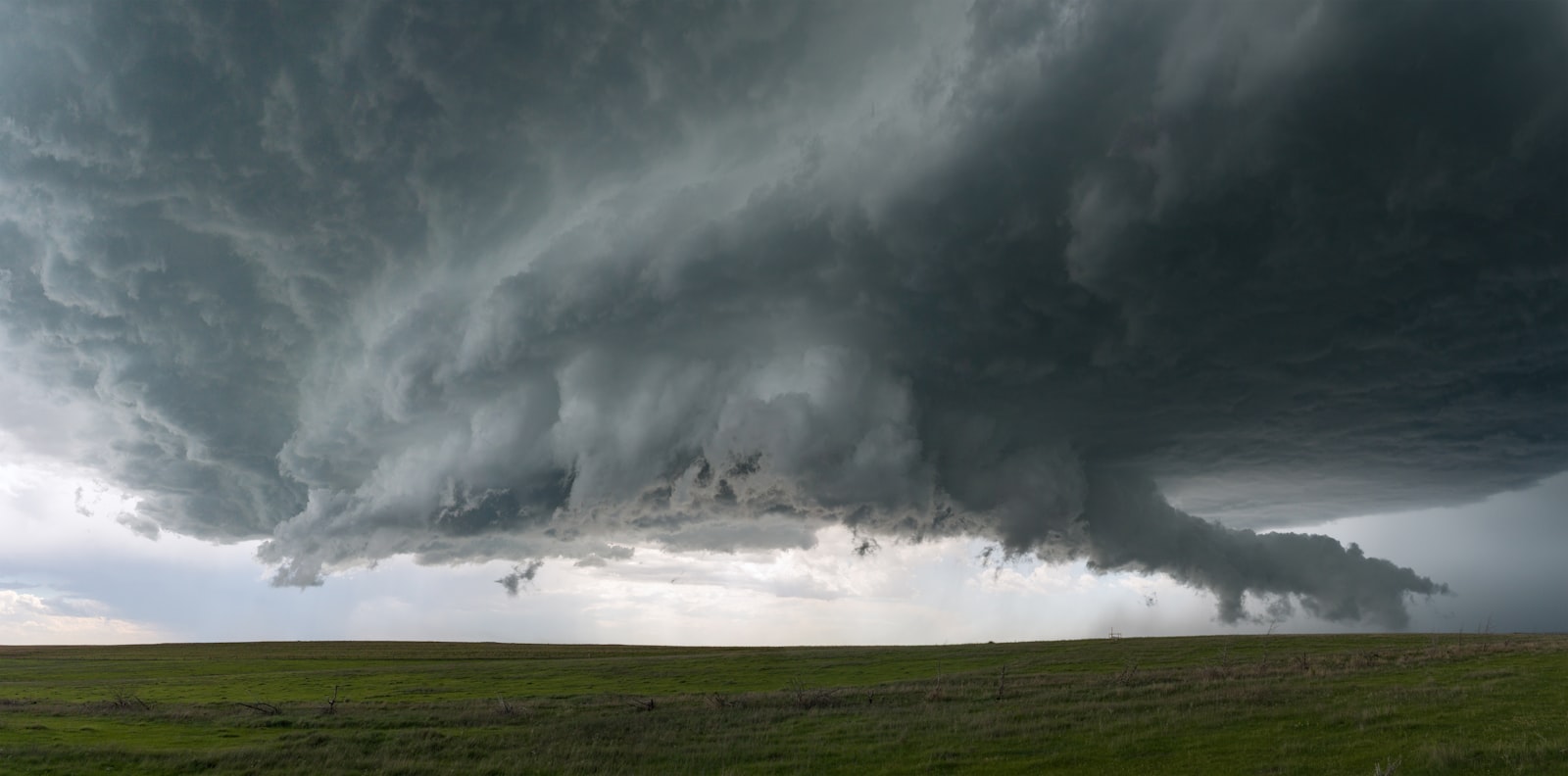
Lake communities sometimes feel tucked away from the world, but they are not tucked away from the weather. The December 2021 outbreak drove that home. The long-track tornado that devastated Mayfield was rated EF-4, with 190 mph peak winds and a 165.7-mile path, and it did not spare the lake: the same storm produced EF-4 damage in the Cambridge Shores community on the western shore of Kentucky Lake in Marshall County. The National Weather Service in Paducah put the outbreak’s damage across western Kentucky at up to $3.5 billion.
Cambridge Shores is exactly the kind of neighborhood this guide is about: lake homes, weekend places, retirees who made the lake permanent. If your property is anywhere around the lake, from Benton and Hardin over to Aurora, your policy should be built with that night in mind.
Seasonal and secondary homes: the occupancy question
The first thing a carrier wants to know about a lake house is simple: does anyone live there full time?
If the answer is no, the policy has to say so. Insuring a weekend place as if it were a primary residence can create real problems at claim time, because policies contain vacancy and occupancy provisions. Depending on the carrier, a home left vacant beyond a set period defined in the policy can see certain coverages restricted or excluded. Vandalism, theft, and water damage from burst pipes are the classic examples. A pipe that freezes and runs for three weeks in an empty cabin is a very different claim than one discovered the same evening.
A few things help:
- Be honest about usage up front. Seasonal and secondary-home policies exist for exactly this. The premium reflects the real risk, and the coverage actually works.
- Vacant is not the same as unoccupied. A furnished lake house you visit monthly is treated differently than an empty house with no furniture. Know which word your policy uses and how it defines it.
- Reduce the winter risks. Shutting off water, draining lines, keeping minimal heat on, and having a neighbor or property manager check in are not just good habits. Some carriers expect them.
Docks, boathouses, and outbuildings
Your homeowners policy covers detached structures under Coverage B, other structures, and the default limit is typically a modest percentage of the dwelling coverage. On an ordinary house in town, that handles a small shed and a fence just fine.
On a lake property, run the math before assuming. Add up the dock, the boat lift, a boathouse, a storage building for the mower and the kayaks, maybe a carport. On plenty of Kentucky Lake properties, the structures around the house are worth well more than the default limit, and they are the structures most exposed to wind and falling trees.
Two other wrinkles worth asking about:
- Some carriers limit or exclude structures over or near the water, or handle piers and docks by endorsement. Do not assume the dock is covered just because it is on the property.
- The boat itself is not covered by the homeowners policy in any meaningful way. A proper boat policy handles the hull, the motor, the trailer, and critically, liability on the water.
The fix is usually simple: increase Coverage B or schedule specific structures. But it only happens if your agent knows the dock exists.
Flood versus wind: two different perils, two different policies
This is the distinction that catches lake-area owners most often, so let’s make it plain:
- Wind damage is covered by a standard homeowners policy. Tornado, straight-line winds, a tree through the roof: that is homeowners territory, subject to your deductible.
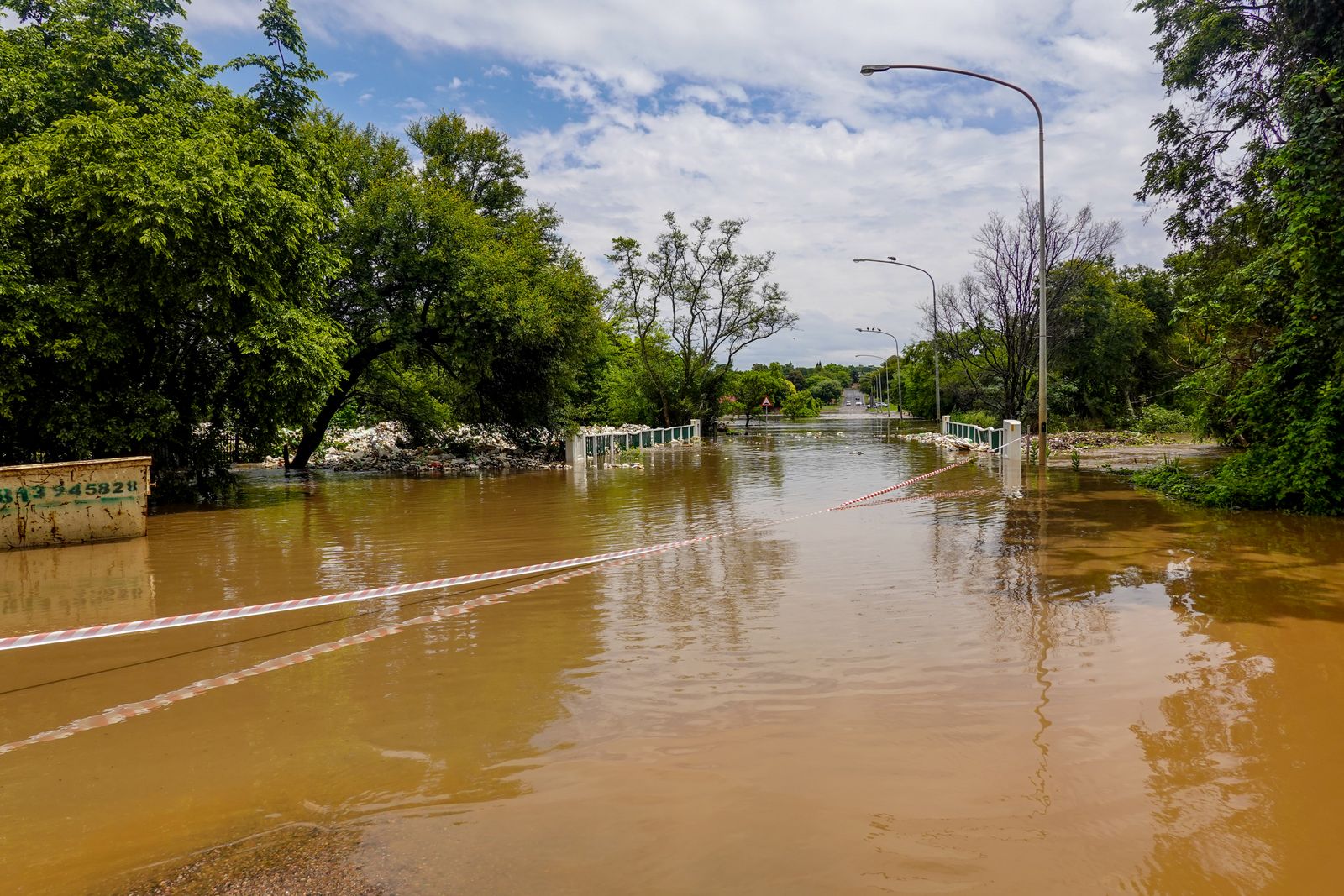
- Rising water is not. Flooding from the lake, a swollen creek, or heavy rain that pools and enters at ground level is excluded from standard home insurance. It requires a separate flood policy, through the National Flood Insurance Program or a private flood carrier.
Most people around the lake have heard this before. Fewer act on it. In a Triple-I and Munich Re consumer survey, only 22% of homeowners said their home was at risk from flooding, and of that group, 78% (of the 22% at risk) had purchased flood insurance. Flip that around: even among people who believe they are at risk, roughly one in five still has no flood coverage. And plenty of properties that flood sit outside mapped high-risk zones, where owners never considered themselves at risk in the first place.
If your place sits low, near a creek mouth, or close to the shoreline, a flood quote costs nothing to look at. It is a five-minute conversation that can prevent an uninsured six-figure loss.
Renting it out? That changes the policy
Short-term rentals have boomed around Kentucky Lake, and the extra income can genuinely help carry a second home. But the moment paying guests stay in the house, you have a business exposure, and homeowners policies are written for personal use.
Depending on how often you rent and to whom, the right answer might be:
- An occasional-rental endorsement, for owners who rent a handful of weekends a year, where the carrier allows it.
- A landlord or dwelling-fire policy, for places rented regularly.
- Short-term rental coverage, built for the Airbnb and VRBO model, covering guest-caused damage and the liability that comes with strangers on your dock and in your water. Carriers like Steadily specialize in rental property, and as an independent agency we can quote those markets alongside our standard carriers.
What you do not want is to say nothing and hope. A liability claim from a guest injured on a rental property, with a policy that was never told about renters, is the kind of situation that gets claims denied.
Build the policy around how you actually use the place
No two lake properties are used the same way, which is why we start with questions, not quotes. Full-time home or weekend place? Who checks on it in January? What is the dock worth? Any guests paying to stay? From there we shop it across our carriers and put the options in plain English.
If you own a place around Kentucky Lake, Aurora, or anywhere near Land Between the Lakes, and you are not certain how it would hold up after a bad night of weather, call Boswell Insurance Agency in Murray at (270) 925-1524 or request a quote online. No pressure. A real person answers, and we will make sure the lake house is protected like it deserves.