If you use your personal truck for work now and then in Kentucky, like picking up supplies or driving to meet a client, your personal auto policy generally still covers you. Kentucky’s Department of Insurance lists incidental business use as something a personal auto policy may not exclude. Once the truck becomes part of how the business actually runs, though, most carriers expect it on a commercial auto policy.
The hard part is that “incidental” isn’t a bright line. Where it ends depends on how the truck is used, who drives it, and how the policy is written.
What usually counts as incidental
These are the kinds of uses that typically stay on a personal policy, as long as the carrier knows how you use the vehicle:
- Driving to an office or a job site as your commute
- An occasional trip to the supply house or the bank for the business
- Meeting a customer for an estimate now and then
- Carrying a laptop or a small toolbox
Where carriers commonly draw the line
These are the situations where a personal policy may not respond the way you’d expect, and where a commercial auto policy is usually the better fit:
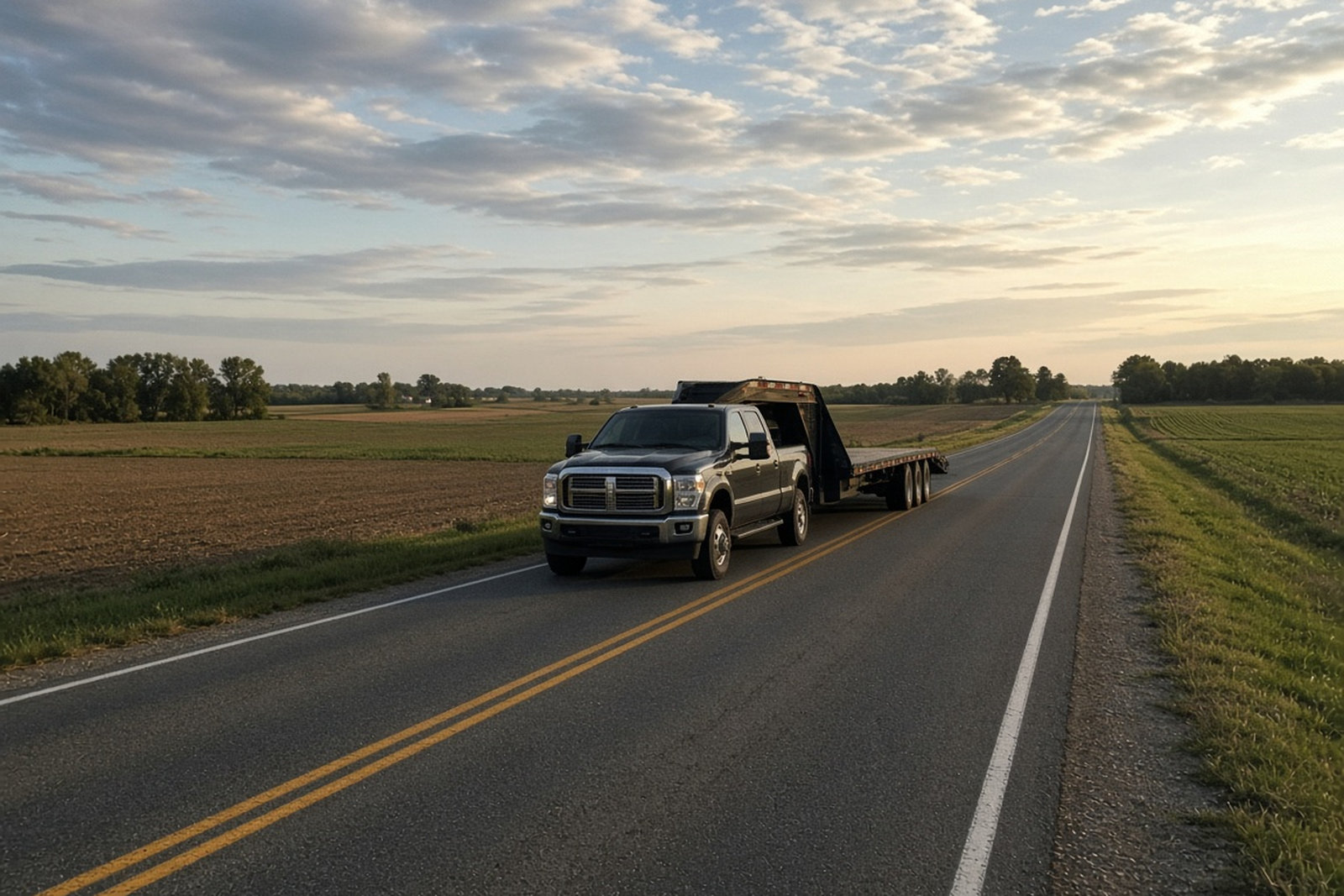
- Hauling for pay. Delivering goods or pulling a trailer for customers is a different risk from commuting. Personal policies commonly exclude carrying property or people for a fee.
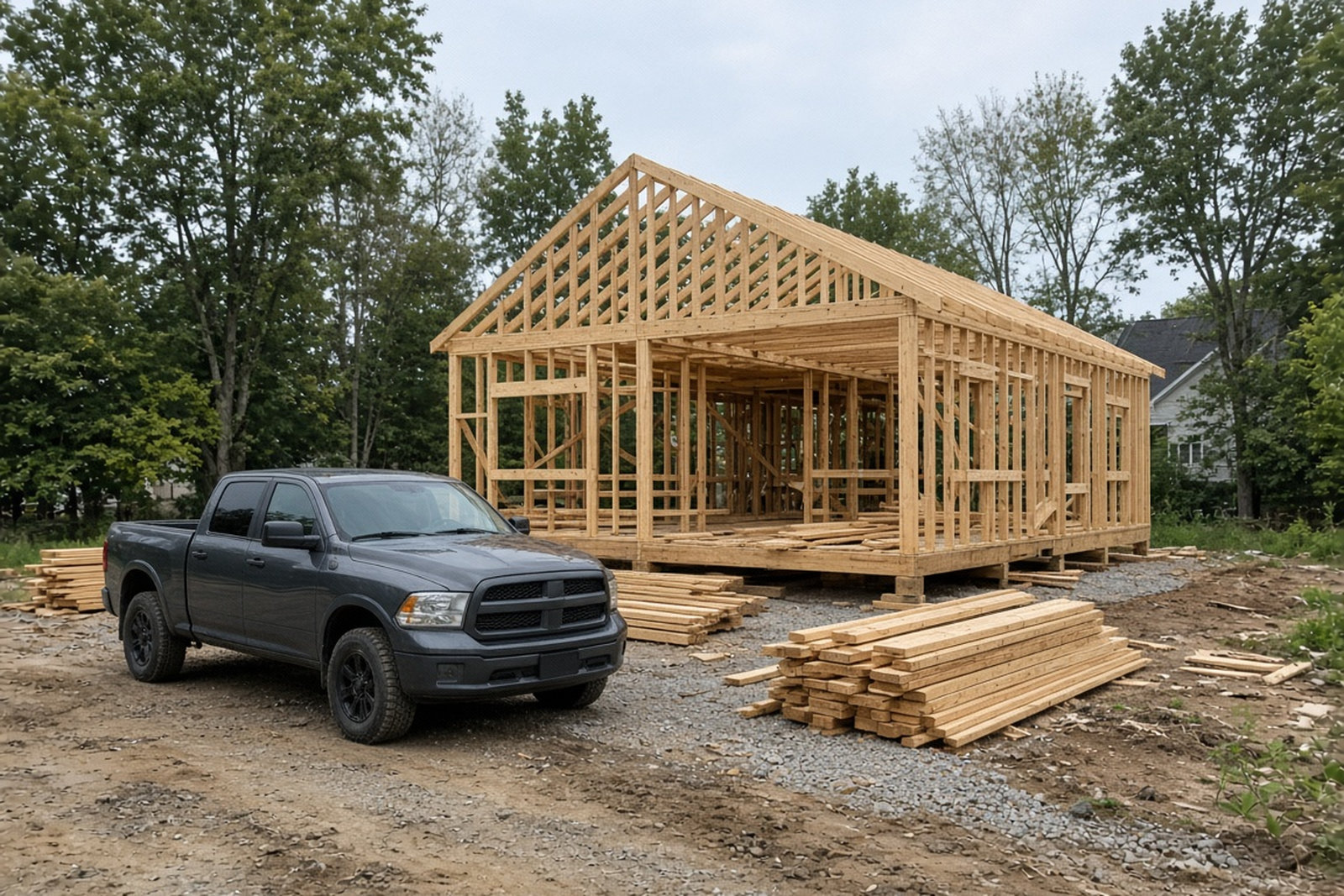
- Daily job-site work. A contractor’s truck that carries tools, materials and equipment to job sites every day is usually rated as a business vehicle.
- Employees driving it. If a helper or employee drives the truck for work, that’s a strong sign it belongs on a business policy.
- Business name on the title. A truck titled to an LLC or corporation generally needs to be insured by the business.
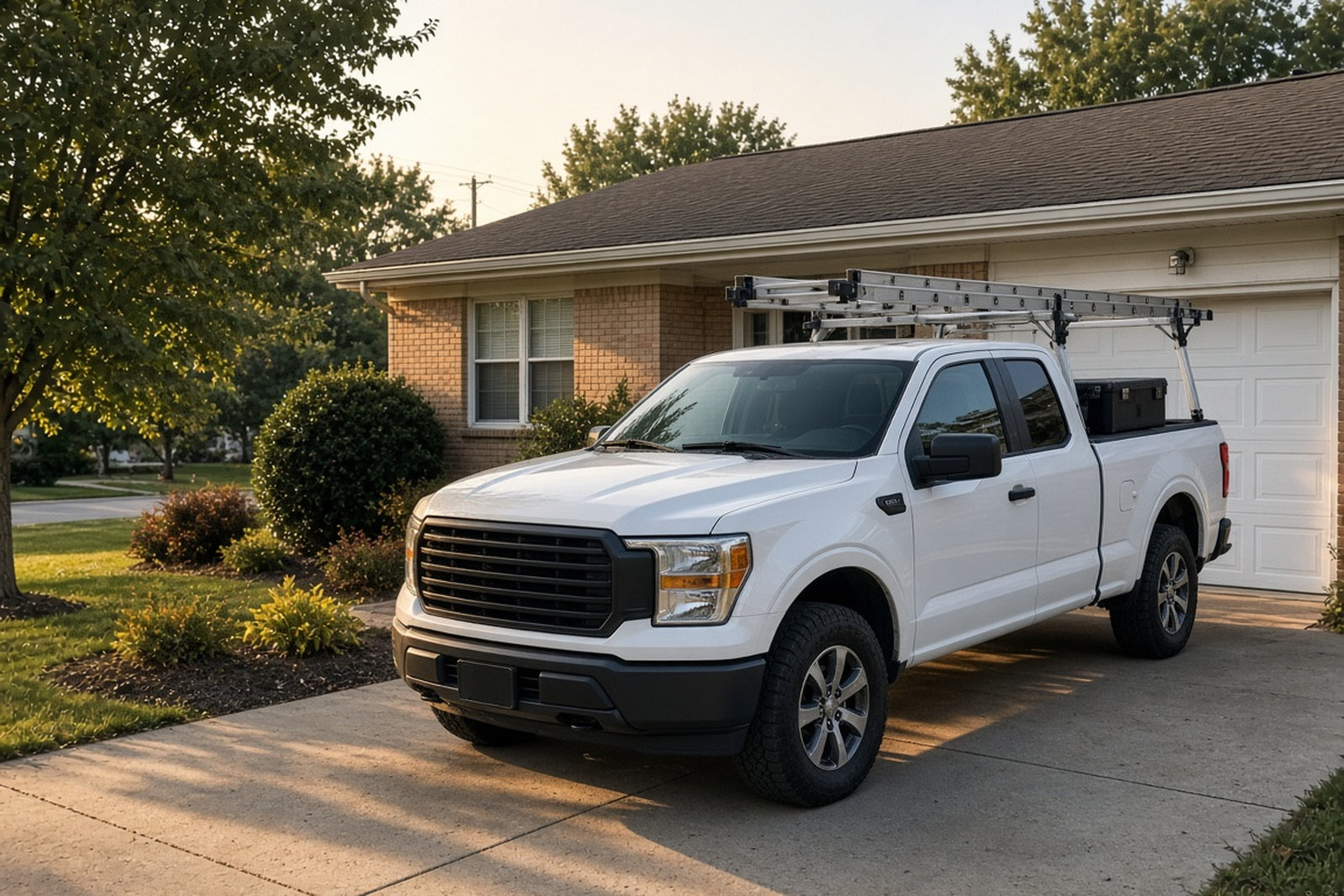
- Signage, racks and upfits. Ladder racks, toolboxes and lettered doors are clues to a carrier that the truck is working.
The real risk isn’t a ticket. It’s a serious claim where the carrier looks at how the truck was being used and the answer doesn’t match how it was written.
What a commercial auto policy changes
A commercial policy is written around the business. It can list the business as the named insured, cover employees who drive, carry higher liability limits that customers and general contractors often ask for, and cover tools or equipment through related coverage. Kentucky’s minimum liability limits are 25/50/25, or a $60,000 single limit, and a lot of commercial contracts ask for far more than that.
If the truck is 10,001 pounds or more and crosses state lines for business, federal rules can apply too. For-hire carriers of general freight in that weight class need $750,000 in liability on file with FMCSA. I covered that in starting a hot shot trucking business.
The other half: liability for the work itself
Commercial auto covers the truck. It doesn’t cover the work. If you’re a contractor or run a trade business, general liability is what typically responds when the job itself causes damage or someone gets hurt at the site. Many general contractors want to see both on a certificate of insurance before you start.
Not sure which side you’re on?
The simplest step is to tell us exactly how the truck gets used, and let us match it to the right policy. If you’re in Murray, Mayfield, Benton or anywhere in Western Kentucky, call (270) 925-1524, visit our general liability page, or start a quote. Send me your current dec page and I’ll tell you whether your truck’s use fits it.
This article is general information about how coverage typically works, not advice about your specific situation. Every policy reads a little differently, and yours is the only thing that says what you have. If you’d like a second set of eyes on it, send us your current dec page and we’ll walk through it with you.