If you slide off an icy road in Kentucky and hit a ditch, a guardrail, a mailbox or a tree, the damage to your own car is usually a collision claim. That means it’s covered only if your policy carries collision coverage, and you pay your collision deductible first. If you slide into someone else, your liability coverage is generally what pays for their car and injuries.
The ice itself doesn’t change who’s responsible. Insurers and courts generally expect drivers to adjust to road conditions, so “the road was slick” rarely moves fault off the driver who lost control.
Why it’s collision and not comprehensive
People are often surprised by this one. Comprehensive covers things like hail, fire, theft, falling objects and hitting a deer. Ice feels like weather, so it seems like it should land there too.
But in most auto policies, what counts is what the car hit. If the car rolls into a ditch or strikes a pole or another vehicle, that’s a collision with an object, and collision coverage is what responds. A limb that falls on a parked car during an ice storm, on the other hand, is typically a comprehensive claim. Same ice, different coverage.
That’s why a liability-only policy pays nothing toward your own car in a single-car slide-off. If your car is worth more than you’d want to replace out of pocket, collision is the line to check before winter.
How the common scenarios usually play out
- You slide into a ditch or guardrail, nobody else involved. Your collision coverage pays for your car, minus the deductible. If you damaged a guardrail, sign or fence, your property damage liability pays for that.
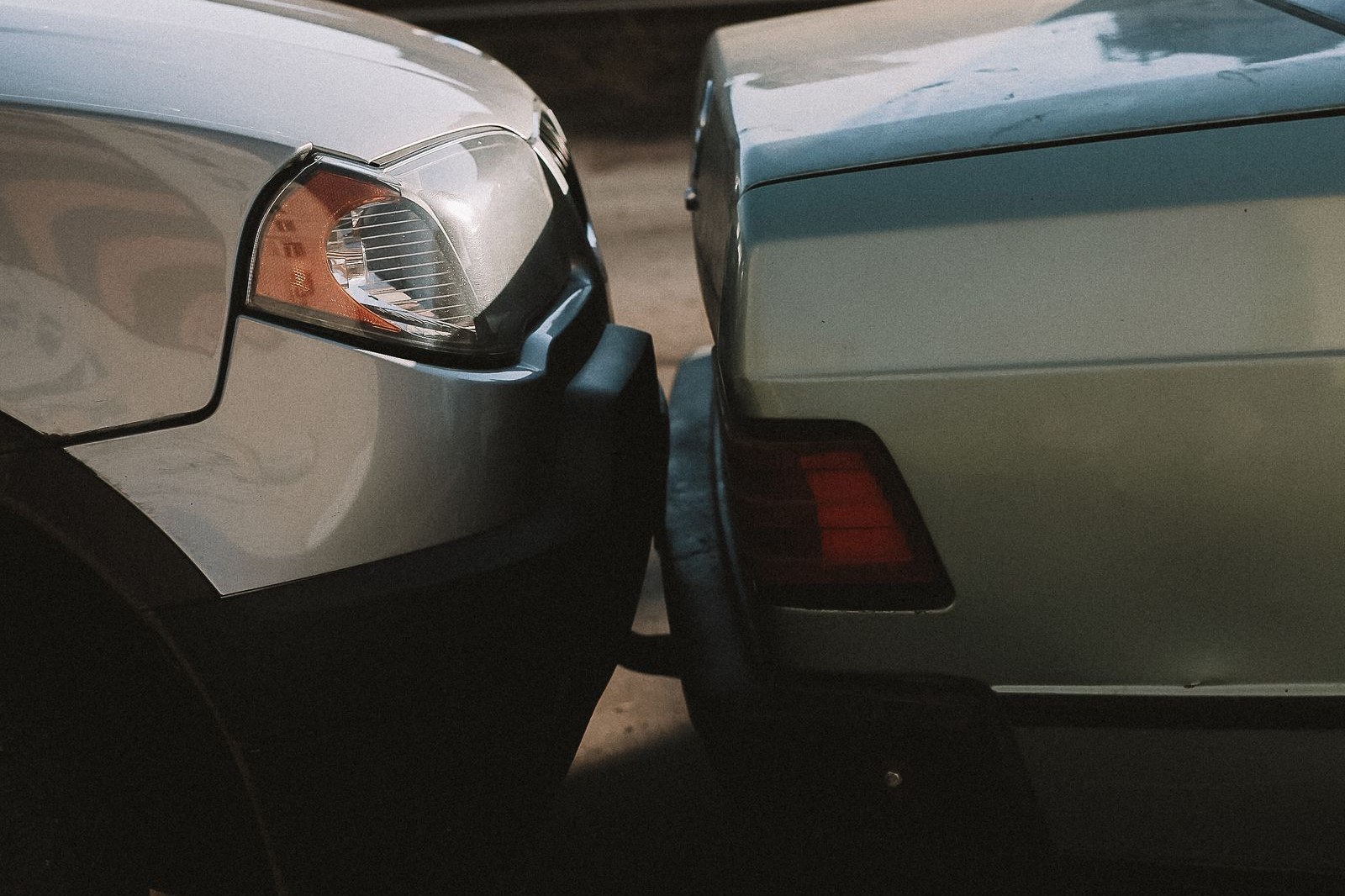
- You slide into another car. Your liability coverage pays for the other driver’s damage. Your collision coverage pays for your own car. Kentucky’s minimum liability limits are 25/50/25, or a $60,000 single limit, and a winter pileup can use up $25,000 in property damage faster than people expect.
- Someone slides into you. Their liability coverage should pay for your car. If they’re uninsured, uninsured motorist coverage and your own collision coverage are the backups.
- Someone is hurt. Kentucky is a no-fault state. Basic personal injury protection pays up to $10,000 per person for medical bills and lost wages, regardless of who caused the wreck, unless the no-fault option was rejected in writing.
How often this happens
Winter wrecks aren’t rare. The Federal Highway Administration reports that, on average, about 156,000 crashes a year happen on icy pavement and about 186,000 on snowy or slushy pavement across the U.S., based on 2019 to 2023 data. Western Kentucky doesn’t get much snow, but a single night of freezing rain on US-641, the Purchase Parkway or a back road in Calloway County can do the damage.
A few things to do before the first freeze
- Look at your dec page for collision. If you see only liability and PIP, a slide-off is on you.
- Find your collision deductible in dollars. A $1,000 deductible may be the right call for some households, but it’s worth knowing before the claim.
- Check your liability limits. If you carry the state minimums, it’s worth asking what higher limits would look like.
- Take photos and call it in. After a slide-off, pictures of the road, the car and anything you hit make the claim much easier.
If you want a second look before the roads ice over, call (270) 925-1524, visit our auto insurance page, or start a quote. Send me your current dec page and I’ll show you where collision, liability and PIP sit on it.
This article is general information about how coverage typically works, not advice about your specific situation. Every policy reads a little differently, and yours is the only thing that says what you have. If you’d like a second set of eyes on it, send us your current dec page and we’ll walk through it with you.