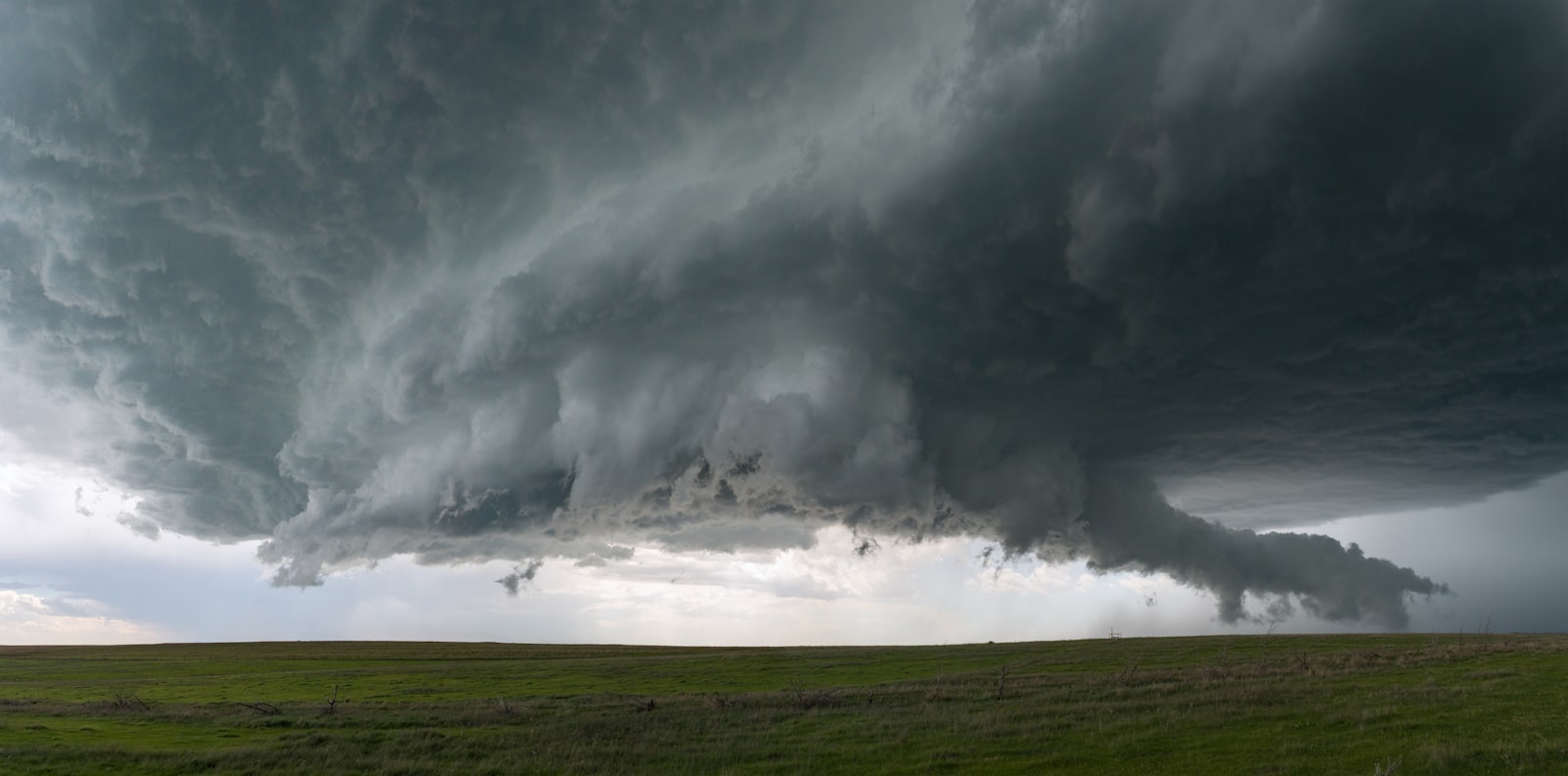
FEMA’s public records list 20 federal disaster and emergency declarations that included Calloway County between March 1975 and January 2026. The one most people here would guess is on the list isn’t. The December 2021 tornado declaration for Western Kentucky covered 23 counties, including Graves, Marshall, Lyon and Christian, but Calloway County wasn’t one of them.
That doesn’t mean Murray and Hazel have been lucky every year. It means the record is a little different from what we remember.
What the record shows
I pulled every declaration for Calloway County from FEMA’s OpenFEMA dataset, counting each disaster number once:
- 20 declarations since 1975: 14 major disasters and 6 emergency declarations
- 10 severe-storm declarations, most of them listing tornadoes, straight-line winds or flooding (one is the 2008 windstorm from the remnants of Hurricane Ike)
- 3 flood declarations, in 1975, 2015 and 2021
- 4 winter declarations: the Blizzard of 1996, the January 2009 ice storm (an emergency and then a major disaster) and the January 2026 winter storm
- 1 hurricane emergency for Katrina in 2005, and two COVID-19 declarations in 2020
The pace has picked up. Six of the 20 are dated 2023 or later, and three came in the first four months of 2025 alone.
The finding that doesn’t help sell anything
Here’s the honest part. Calloway County has been left out of the declaration that defined the region’s storm memory, and its household aid record is thin. Only 4 of the 20 declarations opened Individual Assistance or the Individuals and Households Program for people here: the 1975 flood, the 2020 COVID-19 declaration, and the 2024 and April 2025 storm declarations. Everything else funded public work, like debris removal, roads and emergency response.
So when someone says “FEMA will help if it’s bad enough,” the record here says that’s usually not how it goes. FEMA itself says its assistance isn’t a substitute for insurance and generally won’t duplicate what a policy pays.
For comparison, Graves County next door has 22 declarations, and none of its declarations since 2023 opened household aid. I wrote that one up in Graves County’s disaster declarations, and Marshall County’s is here too.
What does that mean for a house in Calloway County?
If federal aid usually doesn’t reach the homeowner, the repair bill after a storm comes down to the homeowners policy. Three lines do most of the work:
- The wind and hail deductible. Many policies carry a separate deductible for wind and hail, sometimes written as a percentage of the dwelling limit. As an example, a 2% wind/hail deductible on a $250,000 dwelling limit is $5,000 before the policy pays.
- How the roof gets settled. Replacement cost and actual cash value can produce very different checks for the same roof.
- Flood is a separate purchase. Three flood declarations, plus flooding in most of the storm declarations, are a reminder that homeowners policies typically exclude flood. I covered that in the flood gap in Western Kentucky.
Every policy reads a little differently, and your policy is the thing that answers how a storm claim would actually go.
Before the next storm season
Fall is our second severe-weather season here, and December has proven it can produce tornadoes too. It’s a good time to pull out the declarations page and find the wind/hail deductible in dollars, not just a percent.
If you live in Murray, Hazel, Kirksey or anywhere in Calloway County and want a second look, call (270) 925-1524, visit our home insurance page, or start a quote. Send me your current dec page and I’ll walk through the deductible and roof settlement with you side by side.
This article is general information about how coverage typically works, not advice about your specific situation. Every policy reads a little differently, and yours is the only thing that says what you have. If you’d like a second set of eyes on it, send us your current dec page and we’ll walk through it with you.