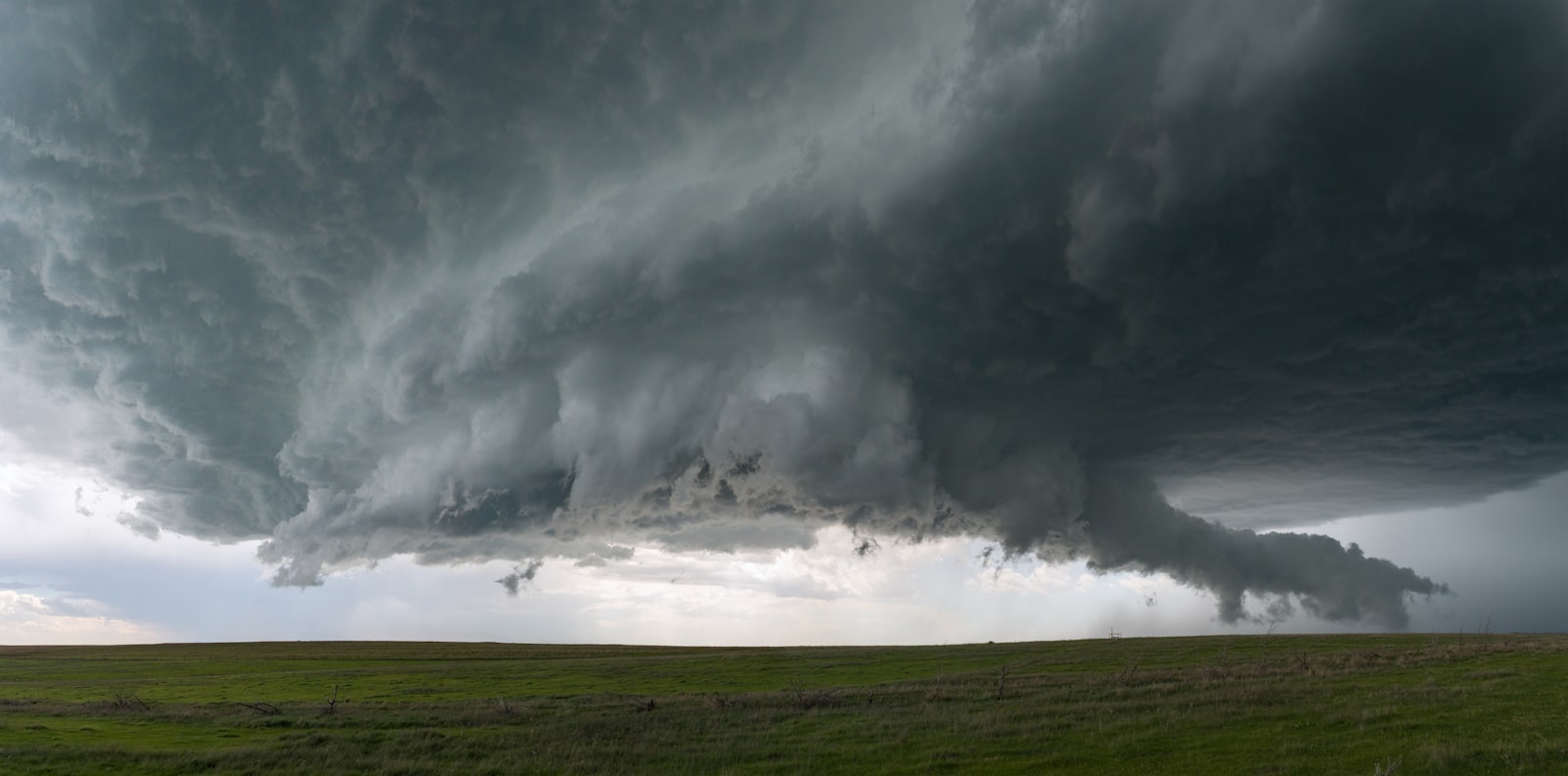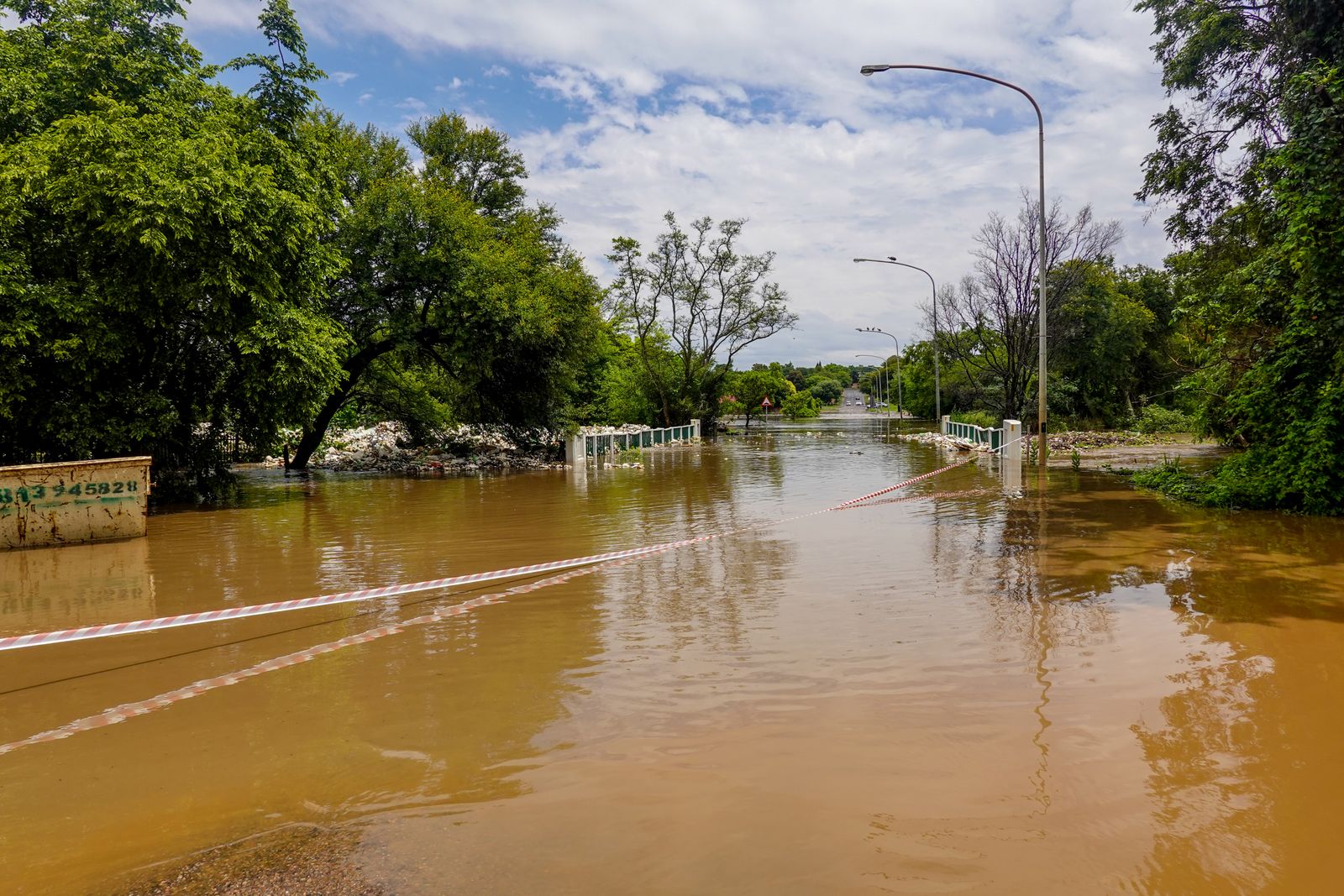
Marshall County has been part of 29 federal disaster declarations since 1975, and 12 of them came in 2020 or later. The part most people miss is who that money was for: only 7 of the 29 opened the FEMA programs that can put aid in a household’s hands. The rest paid for debris, roads and the public cost of cleaning up.
I pulled these numbers from FEMA’s own public declarations data for Marshall County, which covers Benton, Calvert City, Hardin and a long stretch of the Kentucky Lake shoreline. It’s a useful dataset because it replaces “we get hit a lot” with a count.
What the FEMA data shows for Marshall County
Between March 1975 and January 2026, FEMA lists 22 major disaster declarations and 7 emergency declarations that included Marshall County. Most carry a primary incident type of severe storm. Winter storms, ice storms and flooding make up much of the rest, along with the December 2021 tornado outbreak and the COVID-19 pandemic.
The pace has picked up. Seventeen declarations came in the 45 years before 2020. Twelve have come since. Five of those landed in 2025 alone, between the February flooding and the spring storm systems.
For a county where 81.6% of homes are owner-occupied, according to the Census Bureau, that pattern matters. Most people living here own the roof over their heads, and most of the recent declarations were weather that lands on roofs.
Who a declaration actually pays
A federal declaration switches on specific FEMA programs, and each record in the data shows which ones.
Public Assistance is the program that shows up on nearly every Marshall County declaration. FEMA describes it as grants to state, local and tribal governments and certain nonprofits for debris removal, emergency protective measures and repairing public infrastructure. It’s the reason the county can clear roads and fix a washed-out culvert. It doesn’t write checks to homeowners.
Individual Assistance is the part that can reach households. In Marshall County, it has been opened for 7 of the 29 declarations. Since 2012, only two qualified: the COVID-19 declaration in 2020 and the December 2021 tornado declaration. None of the five declarations in 2025 opened household assistance in Marshall County. All five were limited to public assistance, as the FEMA data stood in late September 2026.
Even when Individual Assistance is available, FEMA is plain about its limits. Its own fact sheet says FEMA assistance is not a substitute for insurance and cannot compensate for all losses. By law, FEMA also can’t pay for the same damage an insurance settlement already covers.
The finding that cuts the other way
Here’s the part that doesn’t help anybody sell anything. Zero of Marshall County’s 29 declarations were earthquakes, and only 3 list flooding as the primary incident type. People around Kentucky Lake worry about the New Madrid Seismic Zone and about high water, and those are real conversations worth having. But this record is overwhelmingly a wind, storm and ice record. (If flood is on your mind anyway, our flood insurance gap post covers why it’s bought separately.)
That’s also a caution about reading the data too literally. Declarations are reserved for damage on a large scale. A single hailstorm that takes out one neighborhood’s roofs in Calvert City would never show up here. The count is a floor, not a full picture of what hits houses.
How this usually lines up with a homeowners policy
Most homeowners policies of this type handle wind and hail as covered causes of loss, often with a separate wind or hail deductible that is sometimes written as a percentage of the dwelling limit. As an example only: a 2% wind deductible on a $250,000 dwelling limit means the first $5,000 of a wind claim sits with the homeowner. Our Western Kentucky tornado season guide goes deeper on how those deductibles work.
Flood and earthquake are typically separate purchases, not part of a standard homeowners form. Damage from ice, such as a limb coming through the roof, is usually a homeowners question rather than a separate purchase, but how policies treat water getting in afterward varies more than people expect.
Policies differ on every one of these points, and your declarations page and policy wording are the only things that answer what yours does.
If you own a home in Benton, Hardin or anywhere on the Marshall County side of the lake, our home insurance page explains how we look at wind deductibles and replacement cost. When you’re ready, call our office at (270) 925-1524 and I’ll put your current coverage next to what’s available.
This article is general information about how coverage typically works, not advice about your specific situation. Every policy reads a little differently, and yours is the only thing that says what you have. If you’d like a second set of eyes on it, send us your current dec page and we’ll walk through it with you.