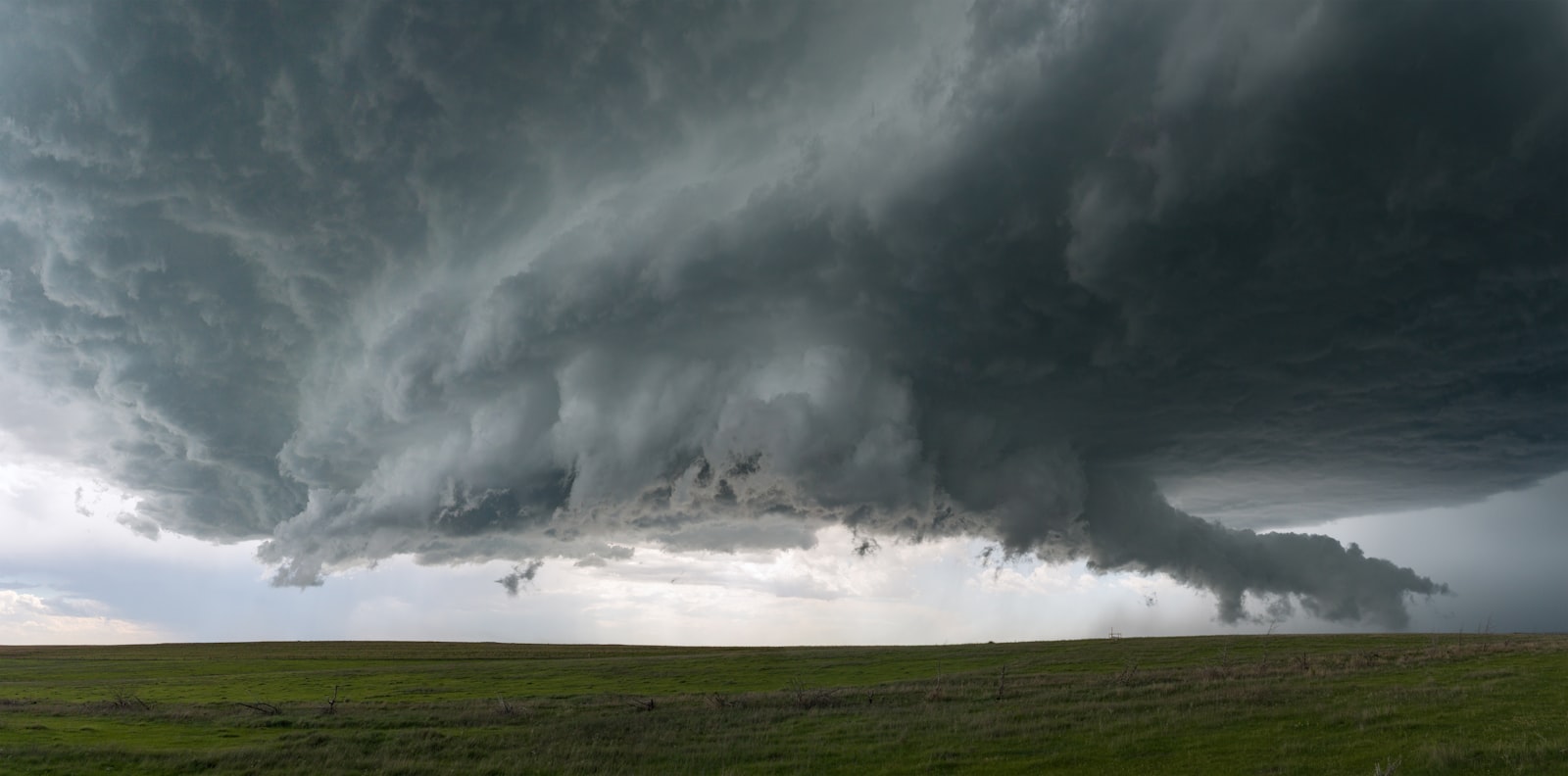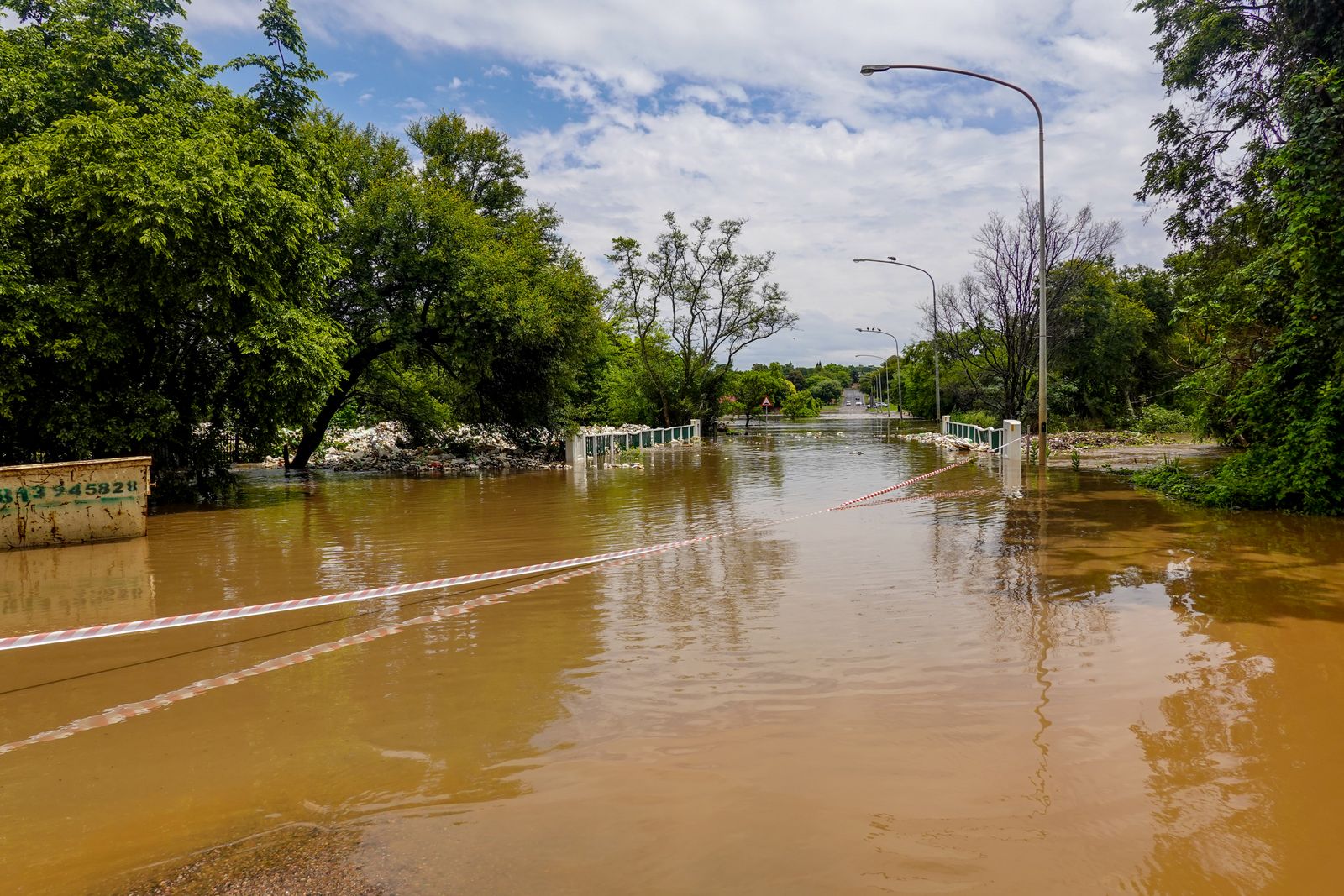
If you’ve lived in Calloway County through a few wet springs, you know the pattern. A slow-moving storm parks itself over western Kentucky, the Clarks River comes up, low spots along the creeks that feed Kentucky Lake start holding water, and suddenly roads you drive every day are closed. Most of the time the water goes back down and life goes on.
But every so often it doesn’t go down fast enough. And that’s when a lot of homeowners around Murray learn something the hard way: the homeowners policy they’ve faithfully paid for years doesn’t cover flood damage. Not partially. Not with a big deductible. It’s excluded.
Why your homeowners policy excludes flood
Nearly every standard homeowners policy sold in Kentucky — and everywhere else — excludes damage from rising water. That includes river and creek flooding, flash flooding, storm surge, and water that backs up over the ground and enters your home.
The distinction that matters is where the water comes from. Water that falls from above and comes in through a storm-damaged roof is generally a covered homeowners claim. Water that rises from below — a swollen creek, a saturated field draining toward your foundation, a river out of its banks — is flood, and flood needs its own policy.
That’s not fine print unique to one carrier. It’s how the entire homeowners market is built. Flood risk is concentrated and severe, so it’s handled through separate programs designed for it.
The gap, in plain English
Here’s the part that should get your attention. In a national consumer survey by Triple-I and Munich Re, only 22% of homeowners believed their home was at risk from flooding. Of that group, 78% bought flood insurance.
Read that again from the other direction. The large majority of homeowners don’t think they’re at risk, so they never even consider a flood policy. Coverage decisions are being made based on gut feeling about risk, not on what water actually does.
And water doesn’t read the maps. Flood claims regularly come from properties outside mapped high-risk zones — homes where no lender ever required coverage and no one thought twice about it. A mapped flood zone tells you where flooding is most statistically likely. It doesn’t tell you where flooding is impossible, because no such place exists in a county laced with creeks, bottomland, and lake tributaries.
What flood risk looks like around Murray
Calloway County isn’t coastal, but it has plenty of ways to get wet:
- The Clarks River and its forks run right through our area, and the bottomland along them holds water after heavy rain.
- Tributary creeks feeding Kentucky Lake on the east side of the county can rise fast when storms train over the same ground for hours.
- Flash flooding doesn’t need a river at all. Intense rain on saturated ground can push water into low-lying homes, garages, and crawl spaces anywhere in the county.
- Lake-adjacent property near Hamlin and the east county shoreline has its own considerations, especially for walkout basements and lower-elevation lots.
With the median owner-occupied home in Calloway County valued at $183,200, an uninsured flood isn’t an inconvenience. For most families it’s the single largest financial hit they could take.
NFIP vs. private flood: your two options
The good news is you have more choices than you did a decade ago.
The National Flood Insurance Program (NFIP) is the federal program most people have heard of. It’s available in participating communities, it’s the standard answer when a mortgage lender requires flood coverage, and its rates now reflect each property’s specific risk rather than just its zone. The trade-off: coverage limits are capped, and the policy forms are less flexible than what you may be used to on the homeowners side.
Private flood insurance has grown into a real alternative. Private carriers can offer higher limits for the home and contents, options like replacement cost on contents, and in some cases better pricing for lower-risk properties. Availability varies by property, which is exactly where an independent agency earns its keep — we can look at both routes and show you the comparison instead of defaulting to one.
Neither option is automatically better. A house in the Clarks River bottoms and a brick ranch on high ground outside Hazel are different risks, and they often land in different programs.
Don’t wait for the forecast
One rule applies almost everywhere in flood insurance: a waiting period typically applies between buying a policy and the coverage taking effect. You generally cannot watch the radar, see a monster system coming up from the south, and buy protection that afternoon.
That’s by design — it keeps the programs solvent — but it means flood insurance is a decision you make on a sunny day. If you’ve been meaning to look into it, the best time is now, while there’s nothing on the map.
How to decide if it’s worth it
A few honest questions to work through:
- Where does water go on your property during a hard rain? You know your land better than any map does.
- Are you near the Clarks River, a creek, or a low-lying tributary area? Proximity and elevation matter more than the address.
- Could you absorb the loss? Kentucky homeowners pay an average of $1,232 a year for homeowners coverage, and none of that premium is buying you a dollar of flood protection.
- Do you have a basement, crawl space, or lower-level living space? These take the damage first.
For some households, the answer after that conversation is genuinely “no, the risk doesn’t justify it.” That’s fine. We’d rather you decline flood coverage on purpose than go without it by accident.
Talk it through with someone local
Flood insurance is one of those coverages where a five-minute conversation beats an hour of internet research, because the answer depends on your specific property. As an independent agency, we can quote NFIP and private flood options side by side and tell you honestly if we don’t think you need it.
If you’d like to know where your home stands, call Boswell Insurance Agency in Murray at (270) 925-1524 or request a quote online. No pressure, no obligation — just a straight answer about what the water can and can’t do to your finances.