Ask five Murray homeowners what they pay for home insurance and you will get five different numbers, sometimes wildly different, even for houses on the same street. That is not the insurance companies being random. It is a handful of specific factors, most of which you can actually see and some of which you can control.
Here is a plain-English look at what home insurance really costs around Murray and Calloway County, and what moves the number up or down.
Start with the local picture
Homeownership runs deep here. Calloway County’s owner-occupied housing rate is 63.9% according to Census Bureau figures, and the median owner-occupied home value sits at $183,200. Set that against a median household income of $52,706 and the math is clear: for most families in Murray and Hazel, the house is the single largest thing they own, by a wide margin.
That is exactly why home insurance deserves more attention than a once-a-year glance at the escrow statement. For a benchmark on price, the NAIC pegged Kentucky’s average homeowners premium at $1,232. Your number may land above or below that, and the reasons why are the useful part.
Rebuild cost is not market value (and the difference matters)
The most common misunderstanding we untangle at the office is this: people think their home should be insured for what it would sell for. It should not. It should be insured for what it would cost to rebuild.
Those numbers can be far apart, in either direction:
- Market value includes the land. Your lot does not burn down. If a storm levels the house, you still own the dirt, the driveway, and the location. Rebuild cost covers the structure only.
- Rebuild cost includes things a sale price does not. Debris removal, demolition, current building-code upgrades, and contractor labor at post-disaster prices when every roofer in western Kentucky is booked solid.
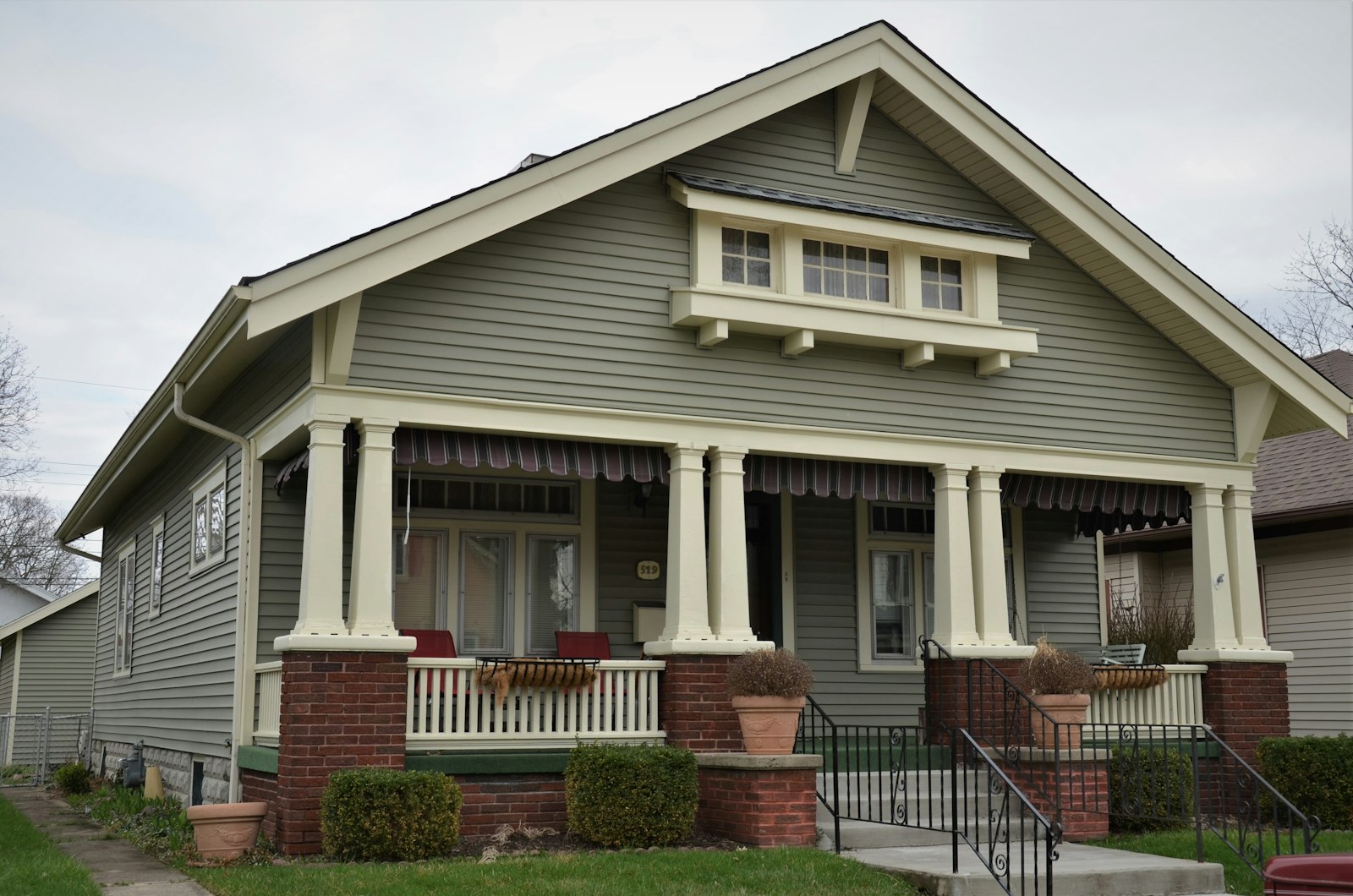
- Older homes can cost more to rebuild than they would sell for. Plaster walls, hardwood details, and custom trim in an older Murray home are expensive to reproduce, even if the market price of the house is modest.
When we quote a home, we run a replacement cost estimate based on the actual structure: square footage, construction type, roof, finishes. That number, not the Zillow estimate, is what your Coverage A should reflect. Insuring to the wrong number cuts both ways. Too low and you are underinsured at the worst possible moment. Too high and you are paying premium for coverage you could never collect.
What actually drives your premium
Once the rebuild number is set, here is what carriers weigh most heavily for a home in our area:
Roof age and condition. In wind and hail country, the roof is the policy. A 5-year-old architectural shingle roof and a 20-year-old 3-tab roof can produce very different rates, and some carriers adjust how they pay roof claims on older roofs. If you are re-roofing anyway, tell your agent. It often pays for part of itself in premium.
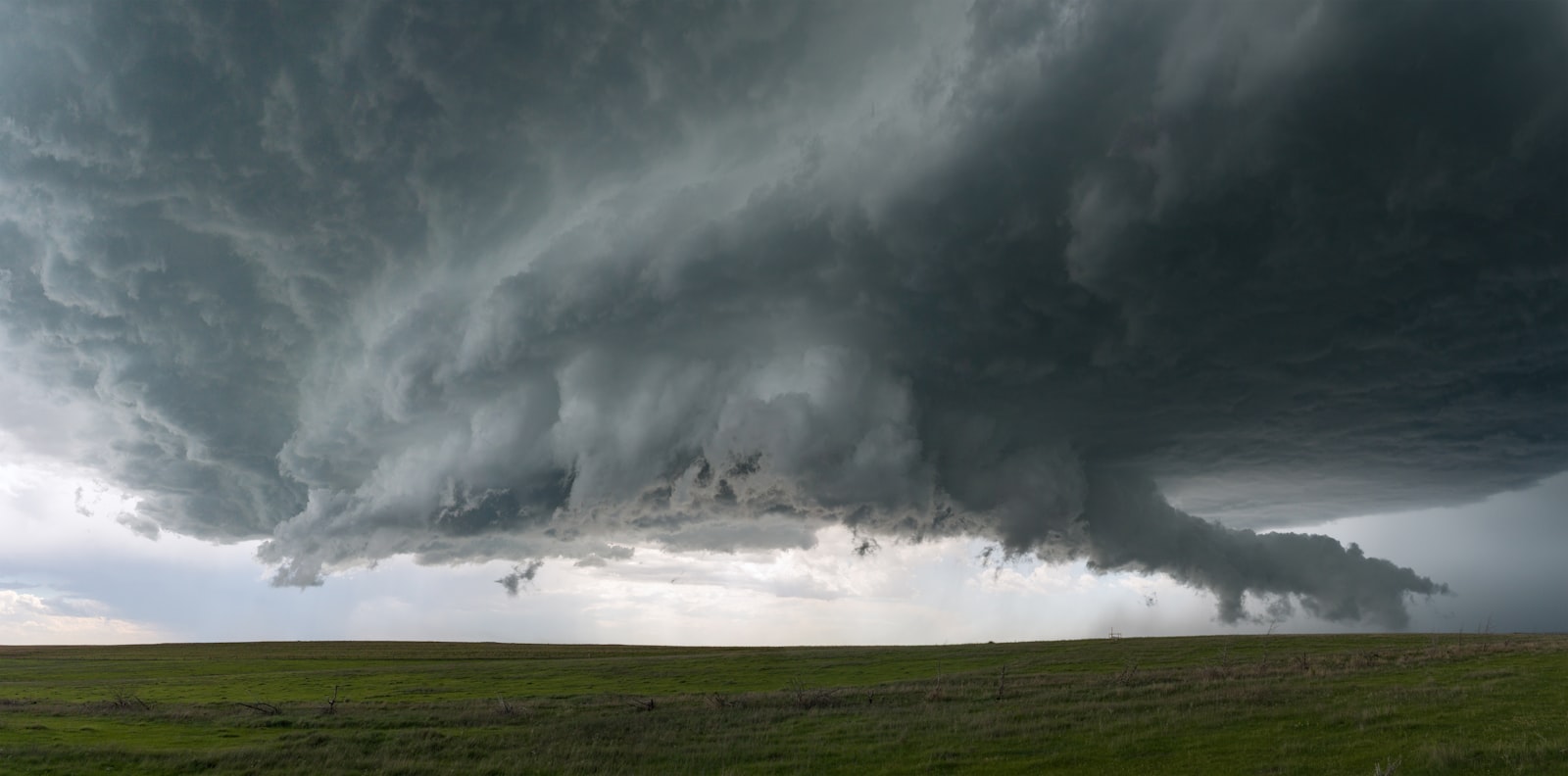
Wind and hail exposure. Western Kentucky sits in an active severe-weather corridor, and carriers price for it. Deductible structure matters here: some policies carry a separate wind/hail deductible, sometimes a percentage of Coverage A rather than a flat dollar amount. A “1% deductible” on a $200,000 dwelling limit is $2,000 out of pocket. Know which structure you have.
Construction and age of home. Brick versus frame, updated wiring and plumbing, age of the HVAC and water heater. Updates reduce the chance of fire and water claims, and pricing follows.
Claims history. Both yours and the property’s. Frequent small claims can cost more in the long run than they pay out, which is one reason we talk deductible strategy with every client.
Deductible choice. Moving from a $500 to a $1,000 or $2,500 deductible can meaningfully cut premium. The right answer depends on your savings cushion, not a rule of thumb.
Credit-based insurance score, protection class, and distance to fire protection. Inside Murray city limits with hydrants nearby prices differently than a rural property farther from a station.
Bundling. Pairing home and auto with the same carrier is still one of the most reliable discounts in the book.
Guaranteed replacement cost: the upgrade worth asking about
Standard policies pay up to your Coverage A limit. But what happens when a tornado or hailstorm hits the whole region at once and rebuild costs jump sharply overnight because materials and labor are suddenly scarce? Western Kentucky has seen exactly that scenario.
That is where extended replacement cost and guaranteed replacement cost come in:
- Extended replacement cost adds a cushion above your limit, commonly an extra percentage of Coverage A, to absorb post-storm cost spikes.
- Guaranteed replacement cost goes further: the carrier rebuilds the home to its prior specifications even if the cost exceeds your policy limit.
Not every carrier offers these, and eligibility rules vary. Erie Insurance, our lead carrier, is well known for its guaranteed replacement cost option on qualifying homes, and it is one of the first things we check when a client’s home would be genuinely hard to replace. The added premium is usually modest relative to the protection. This is the difference between “mostly rebuilt” and “made whole.”
Where an independent agent earns their keep
A captive agent can only show you one company’s answer. As an independent agency, we quote your home across multiple carriers, including Erie, Foremost, and American Modern for homes that do not fit the standard box, and we re-shop at renewal instead of letting the rate drift up quietly year after year.
Just as important, we match the policy to the actual house. A lake place at Aurora, a rental property near Murray State, a farmhouse outside Hazel, and a new build in town all need different things from a policy. The cheapest quote is not the goal. The right coverage at the best available price is.
Get a real number for your home
Averages are a starting point, but you do not live in an average house. If you want to know what it really costs to protect your specific home, and what it would really cost to rebuild it, that is a short, no-pressure conversation.
Call Boswell Insurance Agency at (270) 925-1524, stop by our office on N 16th Street in Murray, or request a quote online. We will walk through it together, protect first, sell second.