Kentucky law limits it a good deal, as long as nobody is paying to be there. The state’s recreational use statute, KRS 411.190, says a landowner who lets people hunt, fish, hike or ride on the property without charge generally owes them no duty to keep the land safe for that use and no duty to warn of dangerous conditions. The statute also lists where that protection stops, and those exceptions are where the insurance conversation starts.
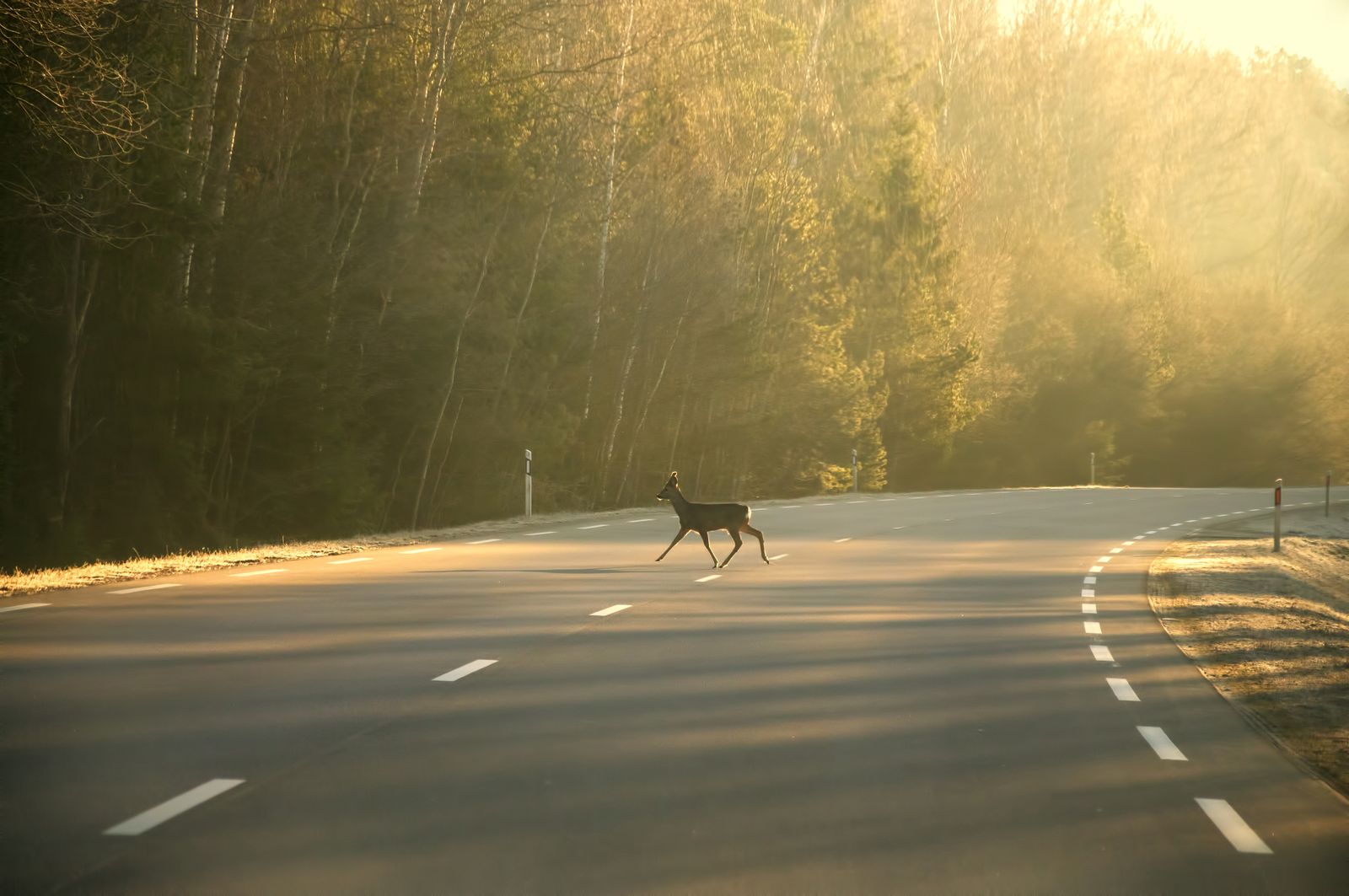
This time of year the question is practical. Archery season opened Sept. 5, and Kentucky’s modern gun deer season runs Nov. 14–29, 2026, according to the Kentucky Department of Fish and Wildlife Resources. KDFWR expects roughly 300,000 hunters to go after white-tailed deer this season. Plenty of them will be on a neighbor’s back forty in Calloway, Graves or Marshall County, sitting in a stand somebody else hung.
What the statute actually says
KRS 411.190 defines “recreational purpose” to include hunting, fishing, swimming, boating, camping, hiking, horseback riding and several other activities. It defines “owner” broadly, covering not just the person on the deed but also a tenant, lessee, occupant or anyone in control of the premises.
For an owner who “directly or indirectly invites or permits without charge” someone to use the land for recreation, the statute says the owner does not, by that permission, promise the premises are safe, give the visitor the legal status of an invitee or licensee, or take on liability for injuries caused by that visitor’s own acts.
The stated purpose, written right into the law, is to encourage landowners to open their land to the public for recreation by limiting liability toward people who come on it for those purposes.
Where the protection stops
The statute names two situations it does not limit:
- Willful or malicious failure to guard or warn against a dangerous condition, use, structure or activity.
- Any case where the owner charges the people who come onto the land for recreational use.
“Charge” is defined as the admission price or fee asked in return for permission to enter or use the land. A paid hunting lease, a per-season fee or a per-day fee fits that wording. Once money changes hands for access, the statute itself says its limits do not apply, and the landowner is back to ordinary premises liability rules.
None of this decides any particular case. Courts apply the statute to specific facts, and an attorney is the right person for a question about how it would apply to your land and your situation.
Where insurance fits
The statute limits liability. It does not stop someone from filing a claim, and defending one costs money even when the landowner prevails. That is the role liability insurance plays, and it is also where people are most often surprised.
A homeowners policy’s liability section is written around the residence premises and the household. A few situations commonly sit outside what that form was designed to handle:
- A separate tract. A wooded parcel a few miles from the house may or may not be listed as an insured location on the homeowners policy. Forms differ, and the declarations page is where that answer lives.
- A hunting lease. Rental income from the land can bring in business or rental exclusions on many homeowners forms. Some carriers write a separate landowner or hunting lease liability policy for exactly this.
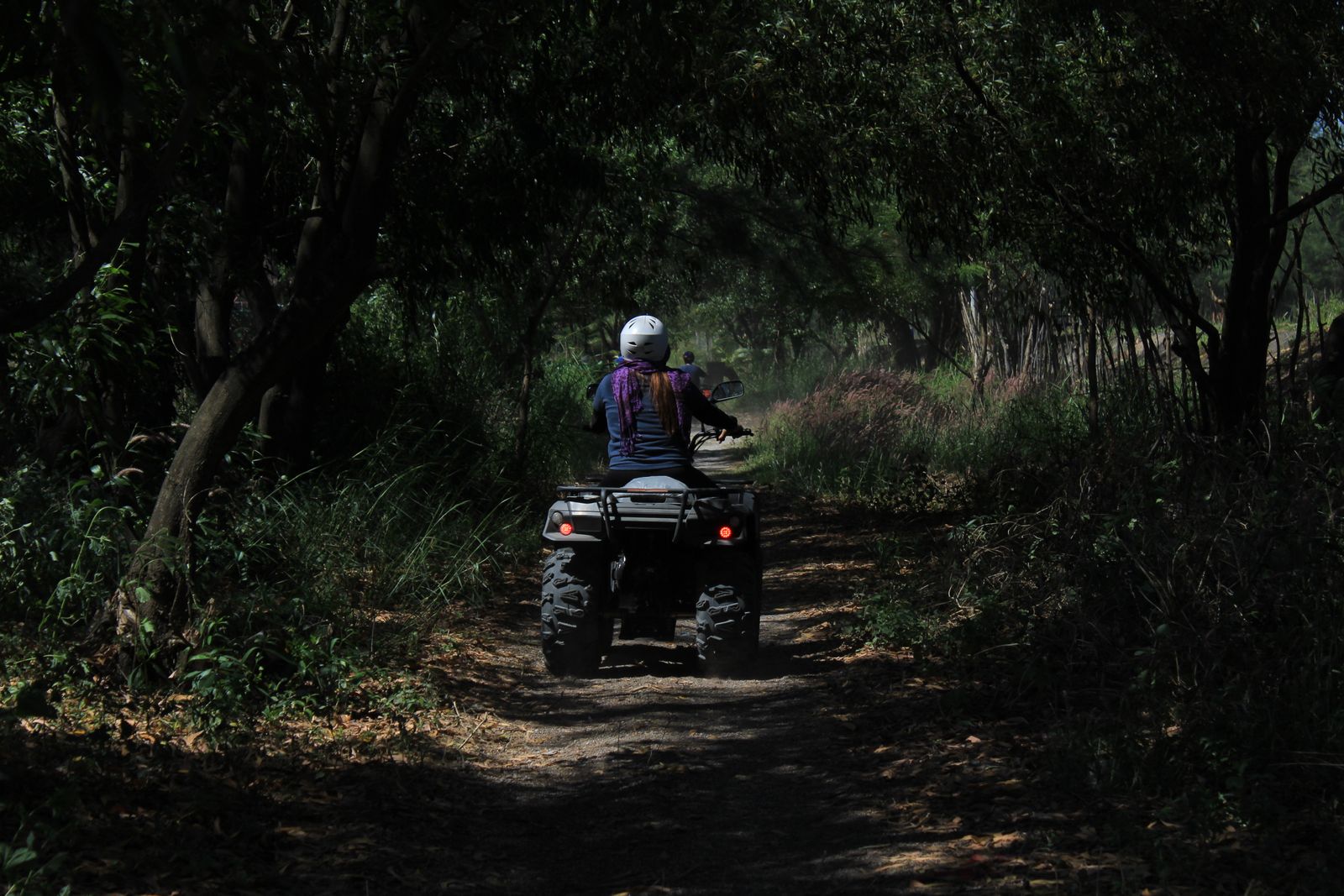
- Equipment and structures. Stands, blinds, feeders and the ATV or side-by-side used to reach them each raise their own questions. Our post on Kentucky ATV and UTV insurance covers how off-road vehicles are usually handled.
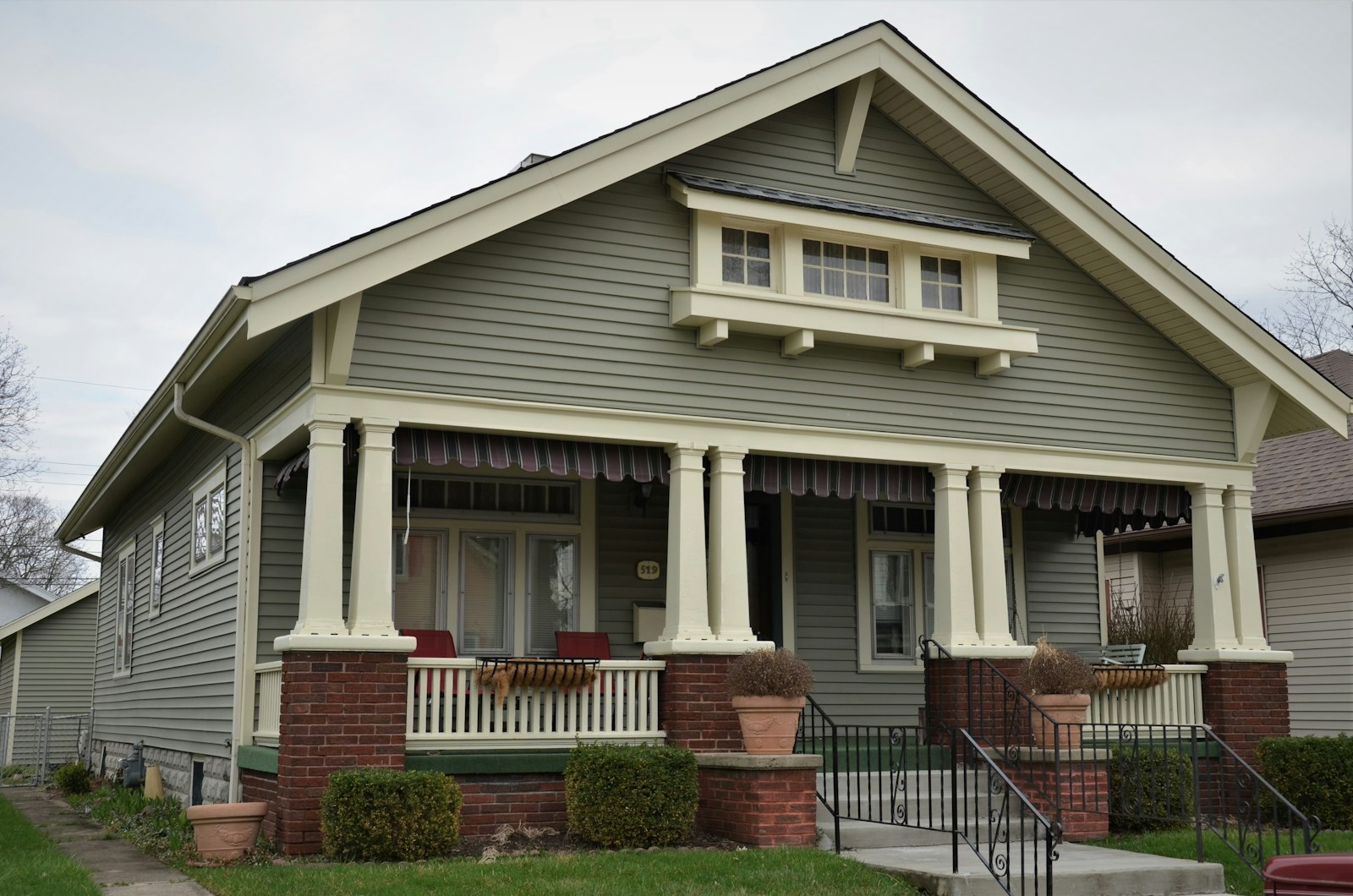
- Buildings on the land. A cabin, pole barn or equipment shed on the hunting ground is a property question as well as a liability one, and our post on how homeowners policies treat barns, sheds and detached garages walks through that side.
A personal umbrella policy is another layer some landowners carry, since it sits above the liability limits on underlying policies. Whether an umbrella responds to a given land use depends on the underlying coverage and the umbrella’s own wording.
Questions worth answering before opening day
- Is the land where people hunt listed on any policy you carry, and under what form?
- Does anyone pay you, in money or anything else, for access?
- Who owns the stands and blinds, and who put them up?
- Do hunters reach the stands on your ATV or UTV, or their own?
Those four answers usually tell us which policy, if any, is built to respond to the land.
When you’re ready to walk through it
If you let family, friends or a lease group hunt your ground in Western Kentucky, send us your current dec page along with a quick description of the land and how it’s used, and we’ll look at where it sits on your coverage. You can start from our home insurance page, request a quote, or call (270) 925-1524.
This article is general information about how coverage typically works, not advice about your specific situation. Every policy reads a little differently, and yours is the only thing that says what you have. If you’d like a second set of eyes on it, send us your current dec page and we’ll walk through it with you.