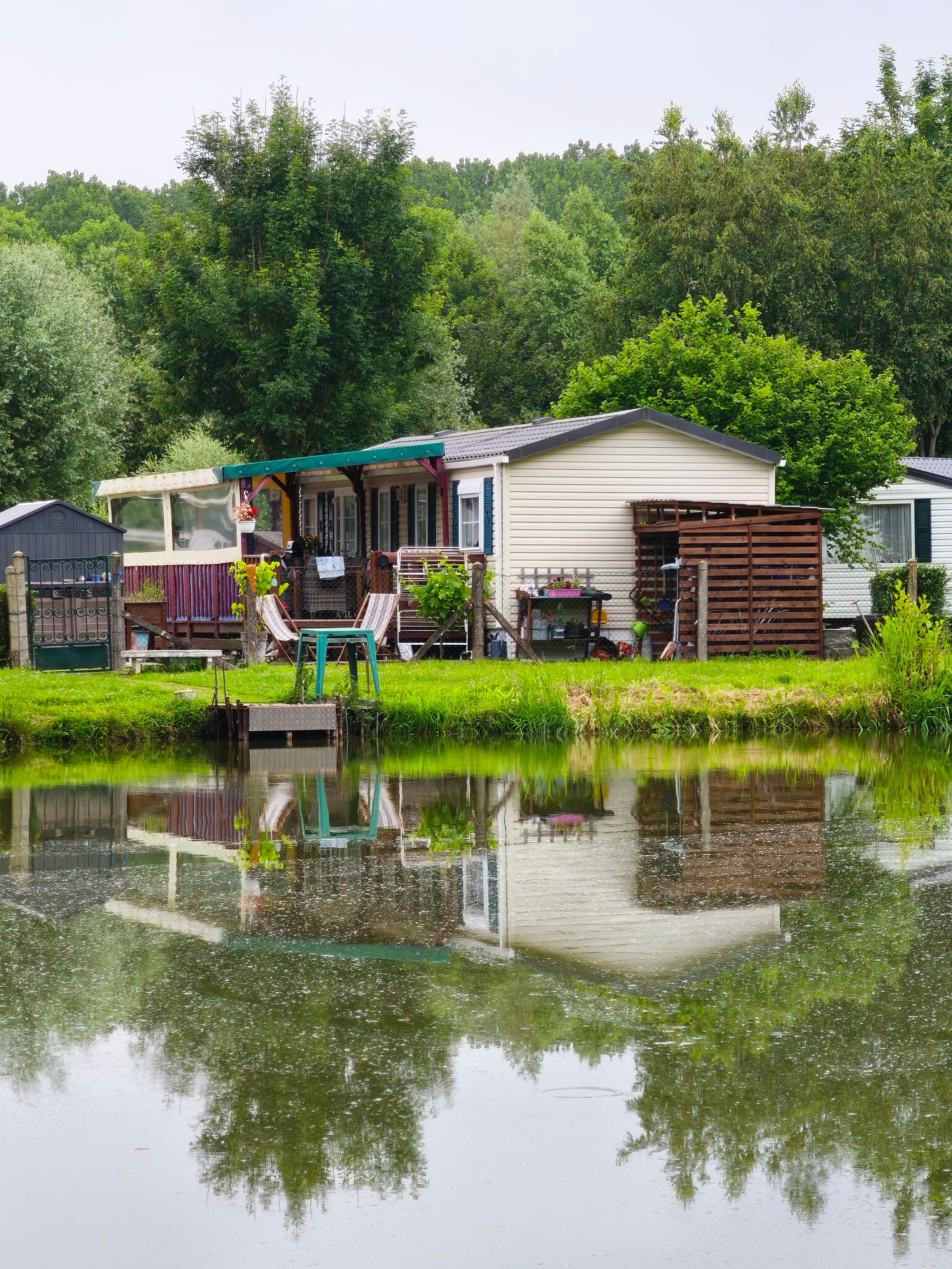
Drive any of the roads out of Murray — toward New Concord, out past Hazel, up through the county toward the lake — and you’ll pass a lot of mobile and manufactured homes. They’re a genuine backbone of housing in western Kentucky. Calloway County’s owner-occupied housing rate is 63.9%, and a meaningful slice of those owners live in manufactured homes on family land, in parks, and on lake lots.
Here’s the problem: the insurance industry’s standard homeowners policy was never written for them. And in a part of the country where the sky occasionally tries to take everything, having the wrong policy form on a manufactured home is a gap you find out about at the worst possible time.
December 2021 was the reminder nobody wanted
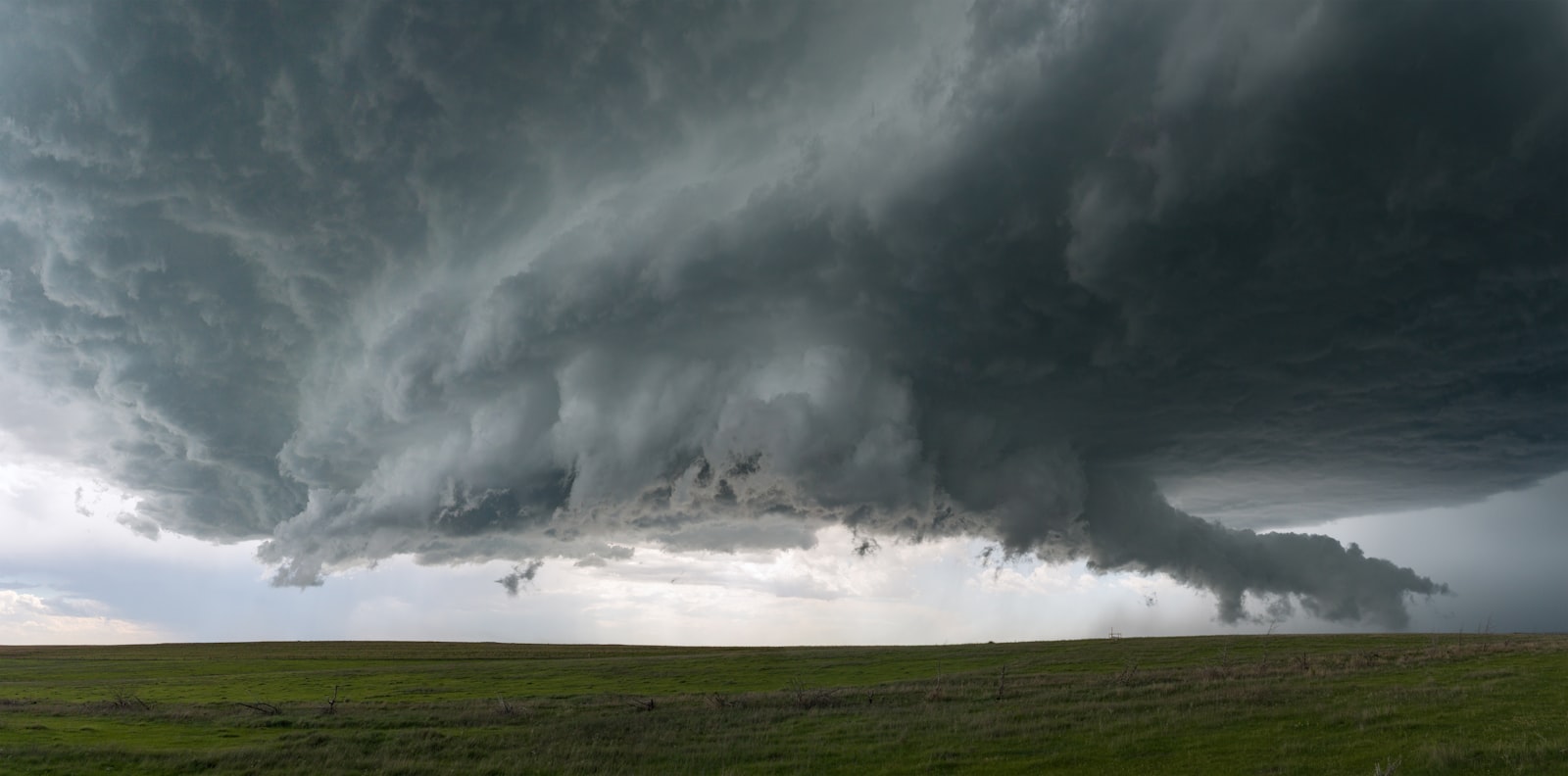
Western Kentucky knows exactly what wind can do. During the December 10–11, 2021 outbreak, a long-track EF-3 tornado with 160 mph peak winds carved a 122.7-mile path that clipped the Fort Donelson National Battlefield area of extreme southeastern Calloway County. The same night’s storms did up to $3.5 billion in damage across the region.
Manufactured homes took some of the worst of it, as they usually do in violent wind events. That’s not a reason to panic — it’s a reason to make sure the policy protecting your home was actually designed for the way your home is built, valued, and anchored.
Why a standard homeowners form doesn’t fit
A standard homeowners policy (the kind written for site-built houses) makes assumptions that simply don’t hold for a manufactured home:
- Construction and repair. Manufactured homes are built in a factory to the federal HUD code, with different materials, framing, and repair methods than stick-built houses. Standard policy valuation and repair assumptions don’t line up.
- Depreciation curves. The market treats manufactured homes differently than site-built homes, which changes how carriers think about value over time — and how a claim gets paid.
- Titling and moving. A manufactured home may be titled like a vehicle, financed differently, and can be transported. Standard homeowners forms have no concept of any of that.
- Underwriting appetite. Most standard carriers simply won’t write a manufactured home on their homeowners form at all. Forcing the square peg usually means declined applications or, worse, coverage disputes at claim time.
The answer isn’t to settle for stripped-down coverage. It’s to use the policies built for the job.
The specialty programs that do fit
This is exactly why carriers like Foremost — one of the longest-standing names in manufactured home insurance — and American Modern exist. Their programs are written from the ground up for mobile and manufactured homes, which shows up in practical ways:
- Policy forms that match how manufactured homes are built, repaired, and replaced
- Coverage options for the things that come with the territory: attached decks and carports, skirting, outbuildings, homes in parks vs. on private land
- Options for older homes that standard markets won’t touch
- Endorsements for seasonal and lake-area use, which matters plenty around Kentucky Lake
As an independent agency, we represent both of these specialty carriers alongside our standard markets. That means we’re not trying to force your home into a program that doesn’t want it — we’re matching it to one that does.
Tie-downs, anchoring, and the wind question
In western Kentucky, wind isn’t a footnote on a manufactured home policy. It’s the main event. A few things every owner should know:
Anchoring matters. Proper tie-downs and ground anchors, installed to spec and maintained, are one of the most effective things you can do to help a manufactured home survive high wind short of a direct tornado strike. Straps corrode and soil shifts, so anchoring is worth a periodic look, especially on older setups.
Carriers ask about it. Some programs want to know whether the home is properly tied down and how it’s set. Good answers can affect eligibility and pricing. Bad or unknown answers can limit your options.
Wind coverage details vary. Deductibles, exclusions, and how wind and hail losses are settled can differ between programs. This is one of the sections of the policy worth reading before storm season, not after. If you’d like it translated into everyday terms, that’s literally what we’re here for.
Have a shelter plan. No insurance policy protects people. Know where you’ll go when the sirens sound — a neighbor’s basement, a storm shelter, an interior room of a site-built building. The policy’s job is to handle everything after that.
Replacement cost vs. actual cash value: the decision that decides your claim
If you take one thing from this article, take this. Manufactured home policies generally settle claims one of two ways:
Actual cash value (ACV) pays what your home was worth at the moment of loss — replacement cost minus depreciation. On an older manufactured home, depreciation can be substantial, and the check may fall well short of what it takes to replace the home.
Replacement cost coverage pays to replace your home with a comparable new one, without the depreciation haircut. It costs more in premium, and not every home qualifies (age and condition matter), but when a total loss happens, it’s the difference between starting over and settling for less.
Neither answer is automatically right. An ACV policy on an older home you own outright might be a sensible, budget-fit choice — as long as you chose it knowingly. What we never want is an owner who thinks they have replacement cost finding out otherwise while standing in a debris field.
Get it looked at before storm season
If you own a mobile or manufactured home in Calloway County, Marshall County, Graves County, or anywhere in our corner of Kentucky, it’s worth twenty minutes to have the policy reviewed: right specialty carrier, wind coverage understood, settlement basis chosen on purpose, tie-downs accounted for. And because we’re independent, we re-shop every renewal to make sure the fit is still right.
Call Boswell Insurance Agency in Murray at (270) 925-1524 or request a quote online. No pressure — just an honest look at whether your home has the policy it was supposed to have all along.