FEMA’s public records list 29 federal disaster and emergency declarations that included Livingston County between March 1975 and January 2026. That’s more than Calloway County’s 20 over the same stretch. What stands out isn’t the count, though. It’s how often the word “landslides” appears in the titles.
Livingston County sits where the Ohio, Cumberland and Tennessee rivers come together, with Smithland, Grand Rivers, Burna and Salem spread along river bluffs and hollows. The disaster record reads like it.
What the record shows
I pulled every declaration for Livingston County from FEMA’s OpenFEMA dataset, counting each disaster number once:
- 29 declarations since 1975: 23 major disasters and 6 emergency declarations
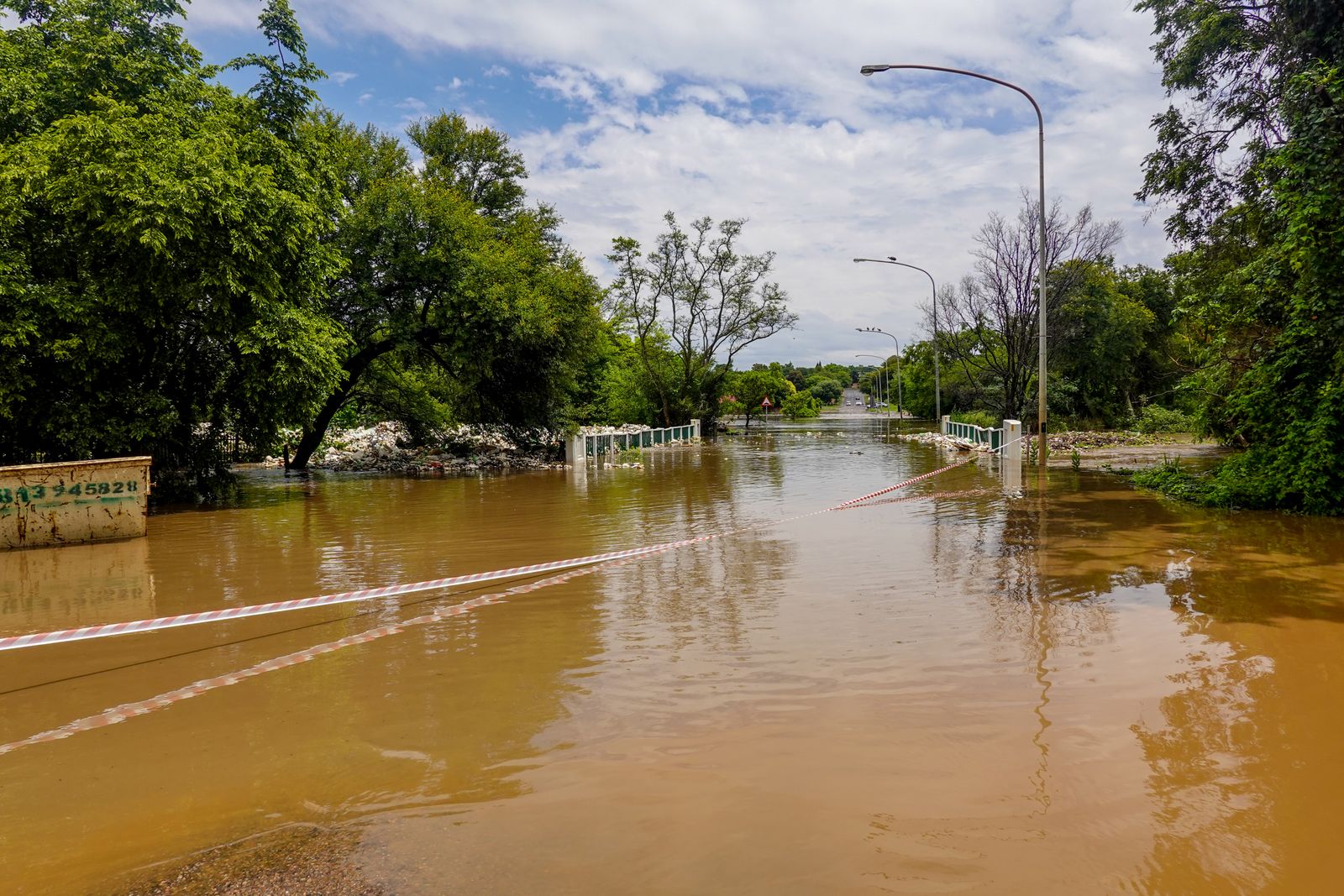
- 18 that name flooding, either as the incident type or in the declaration title
- 11 that name landslides, mudslides or rock slides, starting in 2003 and showing up in most of the storm declarations since 2008
- 6 winter declarations: March 1994, the Blizzard of 1996, February 2005, the January 2009 ice storm (an emergency and then a major disaster) and the January 2026 winter storm
- Hurricane-related declarations for Katrina in 2005 and the 2008 windstorm from the remnants of Ike, plus two COVID-19 declarations in 2020
The pace has picked up here too. Thirteen of the 29 are dated 2016 or later, and five came in 2025 alone.
The finding that doesn’t help sell anything
Only 3 of the 29 declarations opened Individual Assistance or the Individuals and Households Program for people in Livingston County: the 2010 and 2011 storm declarations and the 2020 COVID-19 declaration. Everything else funded public work, like debris removal, roads, bridges and emergency response.
So a landslide that closes a county road may well end up on a federal declaration. The slide that takes out a driveway or cracks a foundation usually doesn’t come with a check for the homeowner. FEMA itself says its assistance isn’t a substitute for insurance and generally won’t duplicate what a policy pays.
For comparison, I wrote up Marshall County’s declarations and Calloway County’s the same way.
What does that mean for a house in Livingston County?
The two hazards that show up most in this record are the two a standard homeowners policy usually leaves out.
- Flood is a separate purchase. Homeowners policies typically exclude flood, including river backwater and surface water. Flood coverage is written separately, often through the National Flood Insurance Program, and there’s usually a waiting period before it starts. I covered that in the flood gap in Western Kentucky.
- Earth movement is usually excluded. Most homeowners policies exclude landslides, mudslides, sinkholes and settling, even when heavy rain set them off. Some carriers offer limited endorsements, and terms vary a lot from one policy to the next, so this is one to read on your own policy rather than assume.
- Winter damage is the part a policy usually does handle. Ice-loaded limbs on a roof, the weight of ice and snow, and a pipe that freezes and bursts are commonly covered perils, subject to your deductible and conditions like keeping the heat on.
Every policy reads a little differently, and yours is the thing that answers how a claim would actually go.
Before winter sets in
Six of these declarations were winter storms, and January 2026 was the most recent. This is a good month to pull out your declarations page, find your deductible in dollars, and check whether flood or any earth movement coverage is on it at all. If you have a river or lake lot, it’s also worth knowing your flood zone before a storm makes it urgent.
If you live in Smithland, Grand Rivers, Burna, Salem or anywhere in Livingston County and want a second look, call (270) 925-1524, visit our home insurance page, or start a quote. Send me your current dec page and I’ll walk through what it covers and what it leaves out.
This article is general information about how coverage typically works, not advice about your specific situation. Every policy reads a little differently, and yours is the only thing that says what you have. If you’d like a second set of eyes on it, send us your current dec page and we’ll walk through it with you.