Insurance Education & Resources
Practical guides written in plain English — so you can understand your coverage before you need it.

Turning 65 in Calloway County: A No-Pressure Guide to Your Medicare Choices
Turning 65 in Calloway County? A plain-English guide to Medicare enrollment windows, Advantage vs. Supplement plans, and why local networks matter in Murray.

Renters Insurance in Murray, KY: The Guide for Students and Young Professionals
What renters insurance costs in Kentucky, why your landlord's policy won't cover your stuff, and what Murray State students and renters should know.

The 2026 Kentucky Home Insurance Cost Report
Boswell Insurance Agency's 2026 report on Kentucky home insurance costs: statewide averages, regional ranges, the rating factors that matter, and the outlook.

Top 10 Auto Insurance Carriers in Kentucky 2026: Independent Agent Rankings
An independent Murray agent ranks the top 10 auto insurance carriers for Kentucky drivers in 2026 — Erie, Progressive, GEICO, and more, by real fit.

Do I Need Workers’ Comp in Kentucky With Just One Employee?
Kentucky requires workers' comp at the first employee under KRS 342. Who can opt out, what non-compliance costs, and how ghost policies work.

What Is a Kentucky Diminished Value Claim?
How Kentucky diminished value claims work: recovering your car's lost resale value from the at-fault driver's insurer, and when it's worth pursuing.
What Happens If I Let My Kentucky Auto Insurance Lapse?
What a Kentucky auto insurance lapse costs: registration suspension, fines, 10-30% higher rates for years, and personal liability for any accident.

Erie Insurance vs. Kentucky Farm Bureau: How They Actually Differ in 2026 (Murray, KY Independent Agent’s Honest Comparison)
Kentucky Farm Bureau vs. Erie Insurance, compared honestly by a Murray independent agent: structure, auto, homeowners, farms, claims, and when to switch.

How to Add a Teen Driver to a Kentucky Auto Insurance Policy (Minimize the Rate Hit)
Four steps to add a teen driver to your Kentucky auto policy and minimize the rate hit: permit timing, vehicle assignment, and every discount to stack.

Kentucky ATV, UTV, and Side-by-Side Insurance (2026)
Why standard auto and homeowners policies don't properly cover Kentucky ATVs and UTVs, what proper coverage includes, and typical 2026 premiums by vehicle type.
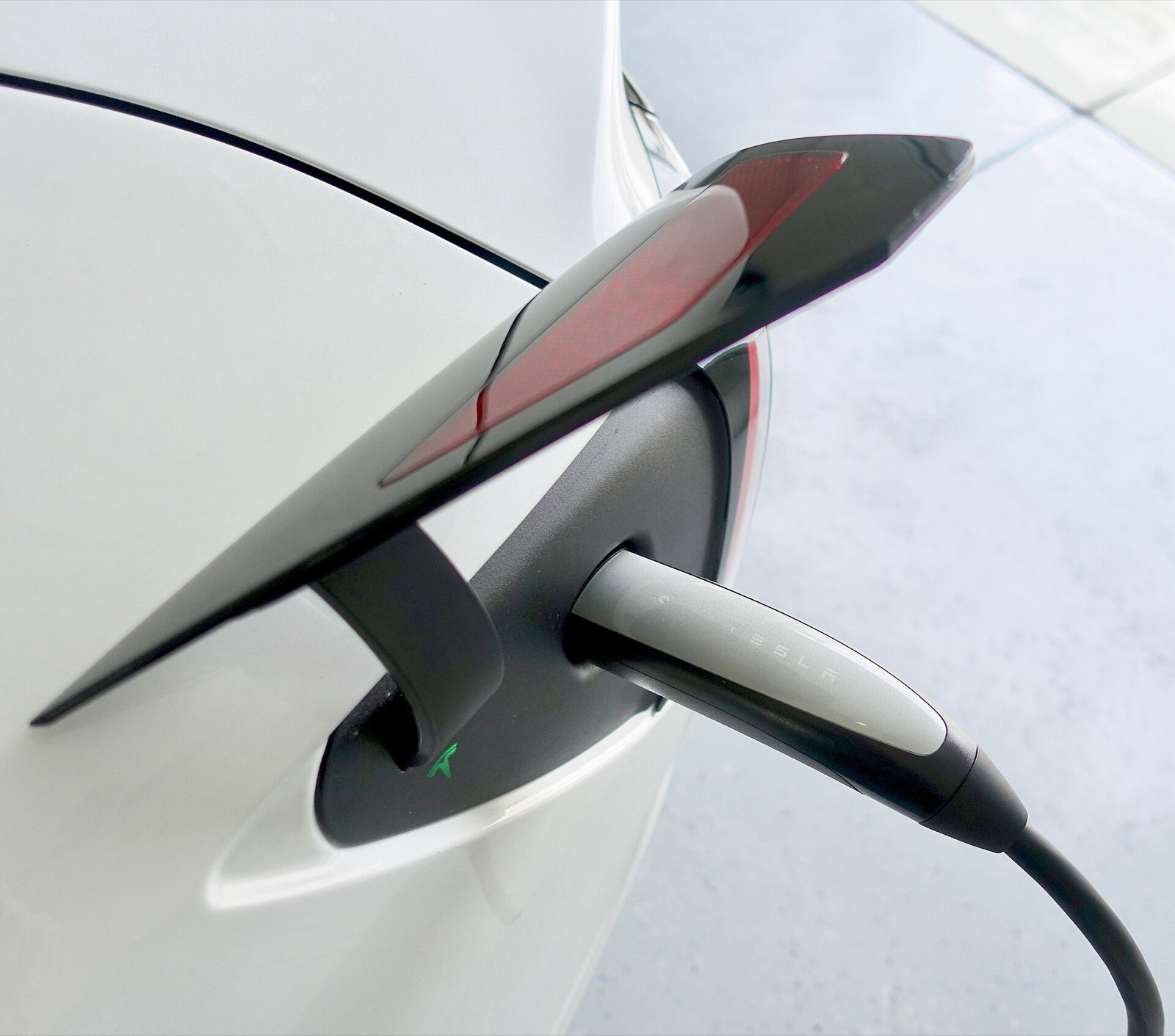
Tesla Insurance in Kentucky: Owner’s Guide from a Tesla-Driving Agent (2026)
A Tesla-owning Kentucky agent on insuring yours: real 2026 costs by model, why Teslas rate higher, FSD claim implications, and home charger coverage.

Erie Insurance vs. Allstate in Kentucky: Independent Murray Agent’s Comparison
An independent Murray, KY agent compares Erie and Allstate on auto and home pricing, Rate Lock vs. Drivewise, claims service, and when to switch.

Erie Insurance vs. State Farm in Kentucky: Honest Comparison from an Independent Murray Agent
State Farm vs. Erie Insurance for Kentucky households, compared by a Murray independent agent: pricing, Rate Lock, claims, bundling, and when to stay put.

Erie Insurance vs. Progressive in Kentucky: Independent Murray Agent’s Comparison
A Murray, KY agency that writes both Erie and Progressive compares them head-to-head on auto, home, and commercial — and says which wins for which clients.

Workers' Comp for Kentucky Small Businesses: What Owners Around Murray Need to Know
What Kentucky small-business owners need to know about workers' comp: who needs it, what it pays for, and how class codes shape your premium.

The Flood Insurance Gap in Western Kentucky: What Your Homeowners Policy Won't Cover
Standard homeowners policies exclude flood damage. What Murray and western Kentucky homeowners should know about NFIP and private flood coverage options.

Deer Collisions in Western Kentucky: What Your Auto Insurance Actually Covers
Deer strikes are a fact of life on western Kentucky's two-lane roads. Learn why comprehensive coverage, not collision, pays when a deer meets your bumper.

The Kentucky Lake Home Insurance Guide: Lake Houses, Seasonal Places, and Short-Term Rentals
Own a lake house near Aurora or Land Between the Lakes? Learn how vacancy clauses, dock coverage, flood vs wind, and rental use affect your insurance.

Kentucky's Uninsured Drivers: What They Could Cost You
Nearly one in five Kentucky drivers has no insurance. Here's what that means for your wallet, how UM/UIM coverage works, and why it matters near Paris, TN.

How Much Life Insurance Do You Actually Need in Western Kentucky?
How much life insurance do you really need in western Kentucky? A plain-English guide to income replacement, term vs. whole life, and locking in rates young.
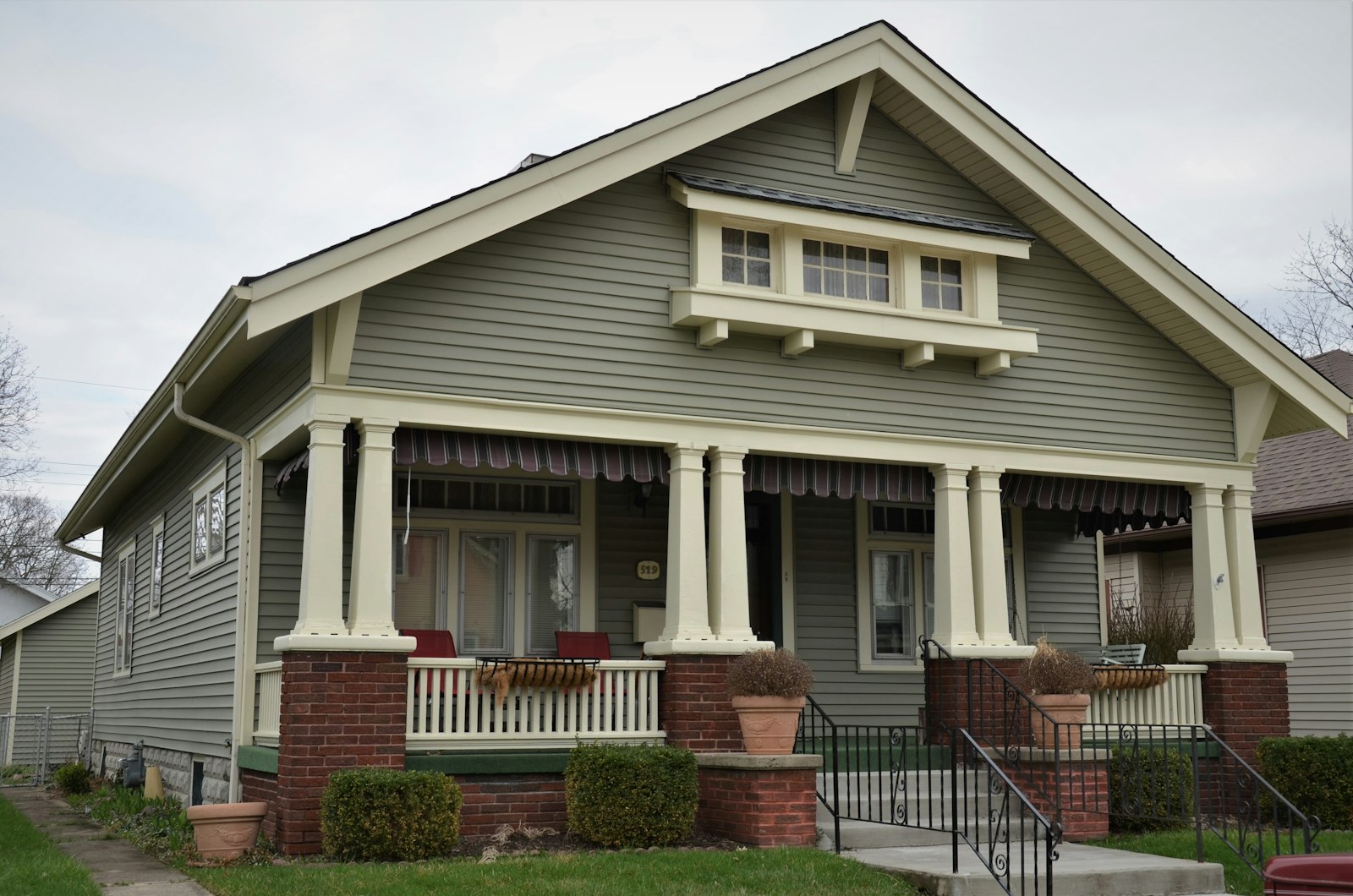
Home Insurance in Murray, KY: What It Really Costs (and What Drives the Price)
What does home insurance really cost in Murray, KY? A local look at Calloway County home values, Kentucky premiums, and what actually drives your rate.

Is Kentucky's Minimum Auto Coverage Actually Enough?
Kentucky's 25/50/25 minimum auto limits sound fine until a real crash. Here's what those numbers mean, where they fall short, and what UM/UIM adds.

Mobile & Manufactured Home Insurance in Western Kentucky: Why the Standard Policy Doesn't Fit
Why standard homeowners policies don't fit manufactured homes, and how western Kentucky mobile home owners can get real wind and replacement cost coverage.
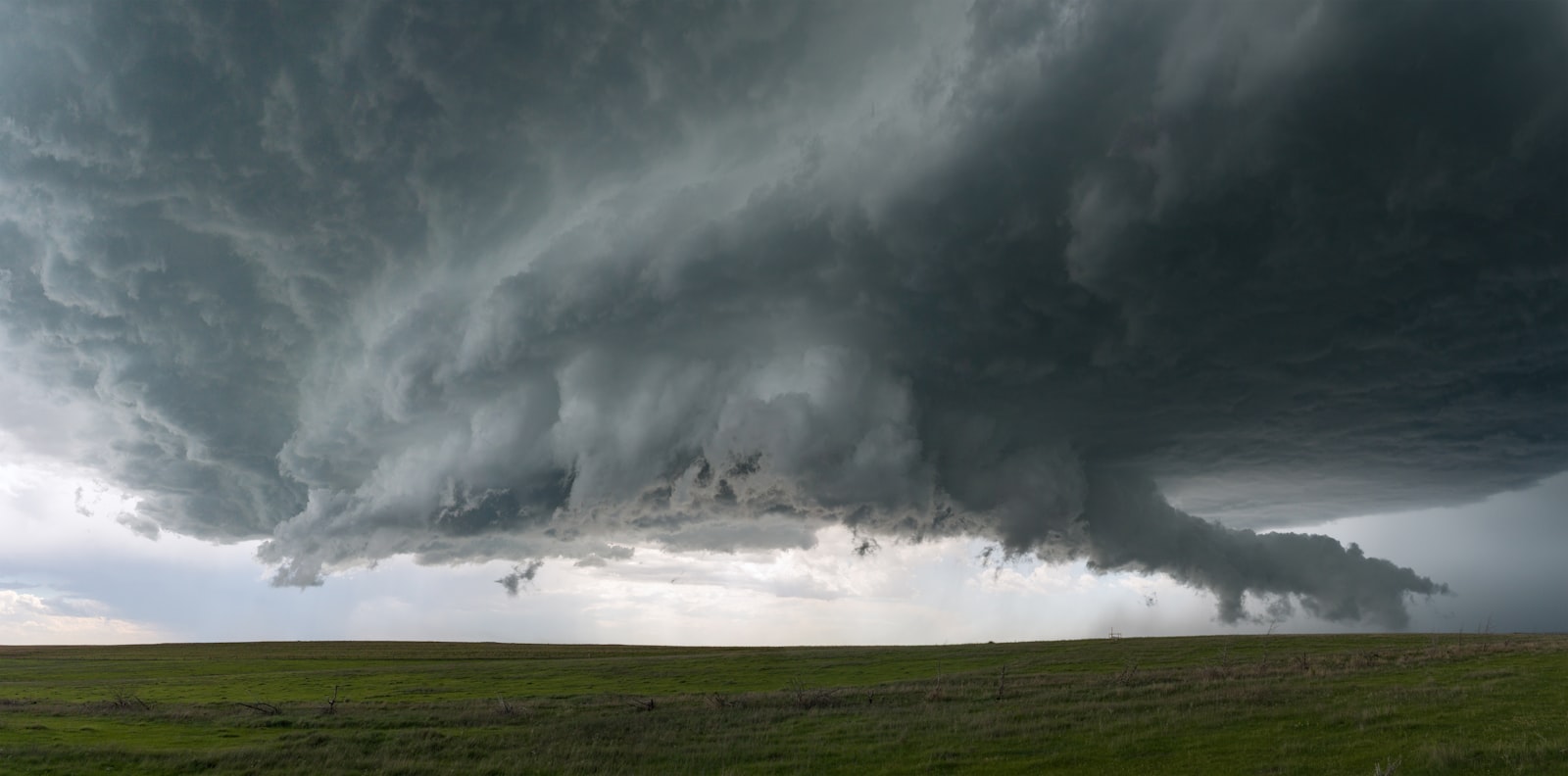
Western Kentucky Tornado Season: Is Your Insurance Ready?
Tornado season is a fact of life in Western Kentucky. Learn how wind and hail deductibles work, what homeowners insurance covers, and how to prepare.
Have a Question an Article Can't Answer?
Every situation is different. Talk to a real person about yours.